
Dreaming of exploring the vibrant culture and stunning landscapes of Sri Lanka? If you're an Indian citizen planning a trip, one of the first things you'll need to sort out is your entry permit. So, do Indians need a visa for Sri Lanka? The straightforward answer is often yes, but it's not a one-size-fits-all situation.
Thank you for reading this post, don't forget to subscribe!Understanding the specific requirements based on your travel purpose and length of stay is key to a smooth journey. For most tourists, a recent government directive indicates a requirement for an Electronic Travel Authorization (ETA), which typically allows for a 30-day stay and should be applied for before you travel.
The Quick Answer: Yes, Mostly. Here's Why.

For Indian passport holders, visiting Sri Lanka almost always requires some form of prior approval. This isn't typically a traditional visa stamped in your passport before you leave, but rather an online authorization. The most common route for tourists and short-term business visitors is the Electronic Travel Authorization (ETA). You'll need this before you board your flight to Sri Lanka.
As of 2026, the process remains largely the same, underscoring the importance of pre-travel planning.
Understanding Sri Lanka's Entry Rules for Indians
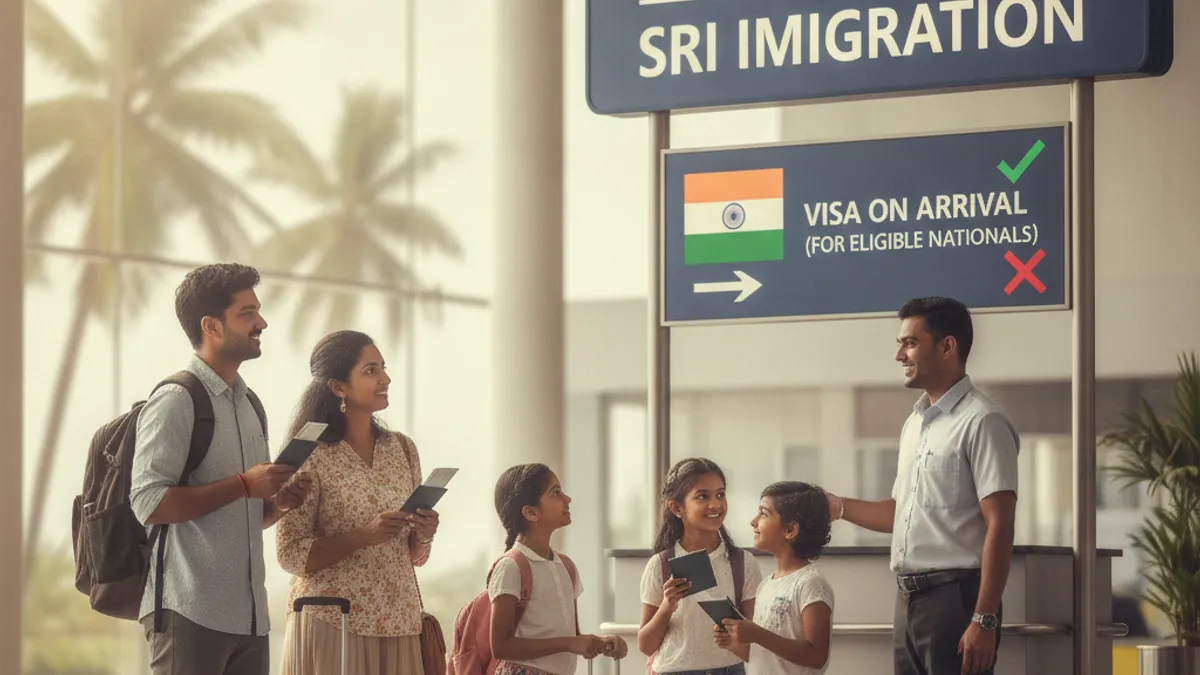
Sri Lanka has a structured approach to admitting foreign nationals, and Indian citizens fall under specific guidelines. The primary distinction hinges on why you're visiting and how long you plan to stay. This isn't about random checks; it's a system designed to manage entry by purpose. Think of it as a quick screening process to ensure your visit aligns with the country's regulations.
The Crucial Factors: Purpose and Length of Stay
The two most significant factors determining your entry requirements are the purpose of your visit and the planned duration of your stay. Are you going for a relaxing vacation, a business meeting, or just passing through on your way elsewhere? Each scenario can have slightly different rules. For instance, a short tourist trip differs from an extended business assignment or academic pursuit.
Your Visa Options: ETA vs. Other Requirements
For Indian citizens, the primary mechanism for entry is the Electronic Travel Authorization (ETA). This online system streamlines the process for most common travel reasons. However, if your trip exceeds the standard duration allowed by an ETA or falls into a less common category, you might need to explore alternative visa applications through official channels.
Tourism: Your Holiday ETA Explained
If your plan is to soak up the sun on Sri Lankan beaches, explore ancient temple cities, or hike through lush tea country, you'll most likely be applying for a tourist ETA. This authorization is designed for leisure travel and typically permits a stay of up to 30 days. It's a relatively quick process, usually approved within hours or a couple of days.
Business Trips: What Indians Need to Know
For short business trips, such as attending meetings, participating in conferences, or conducting initial business negotiations, the ETA often suffices. The key here is that the visit must remain short-term and focused on business activities. If your business engagement requires a longer stay or involves setting up operations, you may need to look into a different type of visa.
Transit Stays: Getting Through Sri Lanka
If Sri Lanka is merely a stopover on a longer journey, and you don't plan to leave the international transit area of the airport, you generally won't need a visa. However, if your transit involves leaving the airport, even for a few hours, or if your layover exceeds a certain duration, you will likely need to apply for a transit ETA. Always confirm the exact transit duration limits with the official Sri Lankan immigration services before your flight.
Longer Stays or Specific Purposes
What if your trip doesn't fit neatly into the tourist or short-term business box? For Indian citizens planning stays longer than the standard 30 days, or for purposes like long-term study, employment, or specialized volunteer work, the ETA is usually not the correct path. In these situations, you'll need to contact the Embassy or Consulate of Sri Lanka in India. They can provide guidance on the appropriate visa category and the detailed application process.
How to Get Your Sri Lanka ETA: A Step-by-Step
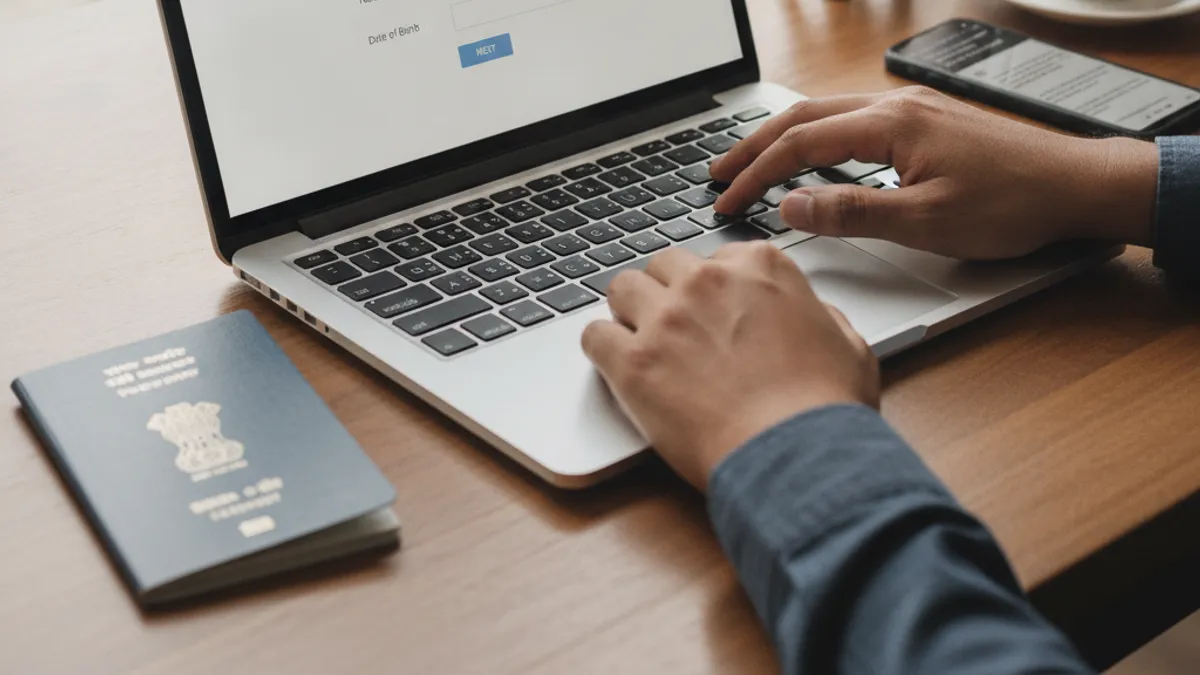
Securing your Electronic Travel Authorization (ETA) for Sri Lanka is designed to be a straightforward process, but it requires attention to detail. The system is entirely online, meaning you can apply from anywhere with an internet connection. The goal is to get this approval sorted well before your planned departure date.
Essential Documents and Information for Your ETA
Before you start filling out the ETA application form, gather the necessary documents and information. This includes making sure your passport is valid for the required period and having your travel details handy.
- Valid Indian Passport: Your passport must be valid for at least six months from your intended date of arrival in Sri Lanka and have at least two blank pages for immigration stamps.
- Travel Dates: Know your exact arrival and departure dates.
- Flight Information: While not always mandatory for the ETA application itself, having your flight details readily available is a good practice.
- Accommodation Details: You may need to provide information about where you plan to stay.
- Contact Information: A valid email address is crucial, as this is how you'll receive your ETA.
Navigating the Online ETA Application
The actual application is completed on the official Sri Lankan Department of Immigration and Emigration website or through authorized agents. It’s important to use the official portal to avoid fraudulent sites. The form will ask for personal details, passport information, and specific questions related to your trip's purpose, duration, and nature.
- Personal Information: This includes your full name, date of birth, nationality, and passport number.
- Travel Purpose: Select the category that best matches your reason for visiting (e.g., Tourism, Business, Transit).
- Duration of Stay: Specify the number of days you intend to stay.
What Happens After You Apply?
Once you submit your ETA application and pay the required fee, the system will process it. Typically, you'll receive an acknowledgment email, and then the ETA itself will be emailed to you, usually within a few hours to a couple of days. It's vital to print a copy of your approved ETA and carry it with you. You’ll present this along with your passport to immigration officials upon arrival in Sri Lanka.
If there are any issues, you'll be contacted via email.
Passport and Document Requirements for Indian Travelers

Having the right documentation is non-negotiable for smooth international travel. For Indian citizens heading to Sri Lanka, this means ensuring your passport is up to scratch and understanding what other papers you might need. It's about crossing all your t's and dotting all your i's before you even get to the airport.
Ensuring Your Passport is Ready
The most important document you'll carry is your Indian passport. Sri Lankan immigration authorities have strict rules regarding passport validity.
- Six-Month Validity Rule: Your passport must have a minimum of six months of validity remaining from your intended date of entry into Sri Lanka. This means if your passport expires in four months, you'll need to renew it before you can travel.
- Blank Pages: You need at least two blank pages in your passport. These are for immigration stamps upon arrival and departure, and sometimes for other official notations if necessary.
Other Potential Documentation
While the ETA and your passport are the core requirements, there might be other documents, especially depending on the specifics of your trip and any prevailing health regulations.
- Proof of Onward Travel: Immigration officers can sometimes ask for proof that you intend to leave Sri Lanka. This means having a return flight ticket or a ticket for onward travel to another country. This documentation helps assure authorities that you are not planning an extended, unauthorized stay.
- Accommodation Details: Having proof of your hotel bookings or the address where you'll be staying can be helpful if asked. This provides a clearer picture of your itinerary and where you'll be based during your visit.
- Health Declarations: In certain global health situations, you might be required to fill out health declaration forms or provide proof of vaccination. These are crucial for maintaining public health standards.
Common Mistakes Indians Make When Traveling to Sri Lanka
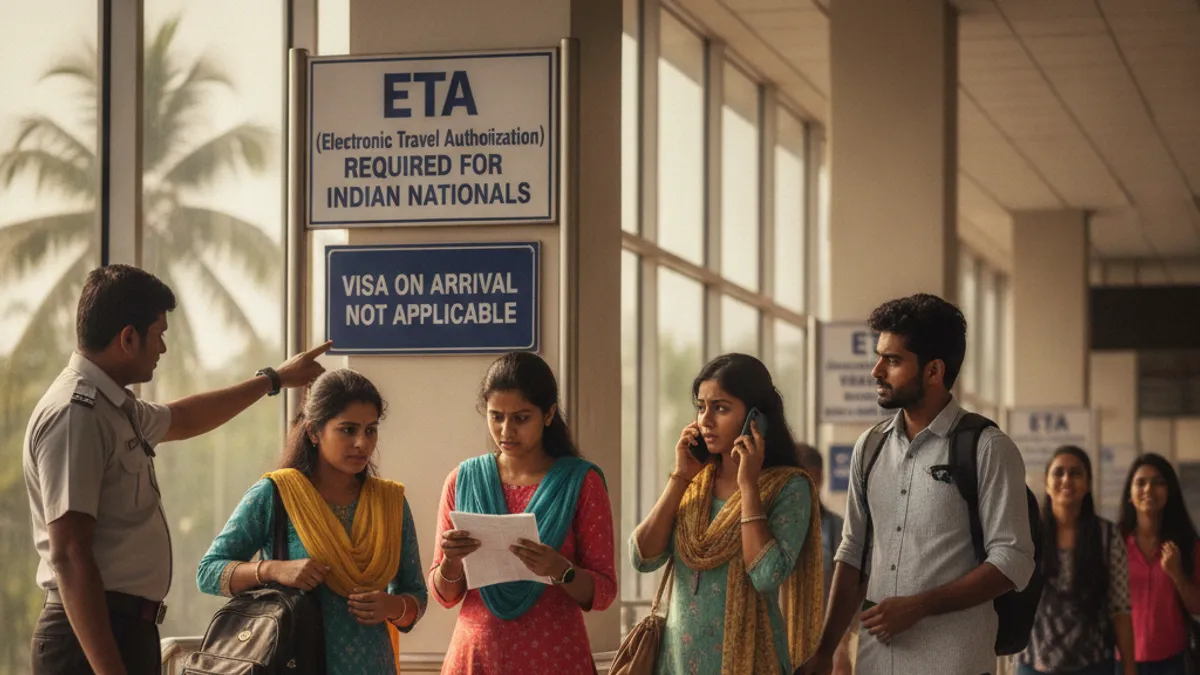
Even with a clear process, travelers can sometimes stumble over details that lead to delays or even denied entry. For Indian citizens planning a trip to Sri Lanka, being aware of these common pitfalls can save you a lot of hassle. It’s usually not about malicious intent, but rather oversight or a misunderstanding of the requirements.
Misunderstanding Visa Types
One of the most frequent errors is not correctly identifying the type of entry authorization needed. Confusing a standard tourist ETA with requirements for longer business stays or study permits is a common mix-up. Some travelers might assume the ETA covers all eventualities, only to find out upon arrival that they needed a different type of visa applied for through the embassy. It’s always best to confirm your specific situation against the official guidelines.
Passport Validity Issues
A simple failure to check passport expiry dates is a recurring problem. Many countries, including Sri Lanka, mandate that your passport must be valid for at least six months beyond your date of arrival. If your passport expires in, say, three months, and you plan a two-week trip, you’ll meet the minimum validity at the time of entry, but you could face issues if your stay is unexpectedly prolonged or if regulations have stricter interpretations. Always aim for a passport with ample validity to avoid last-minute scrambles.
Getting Help: When to Contact Officials
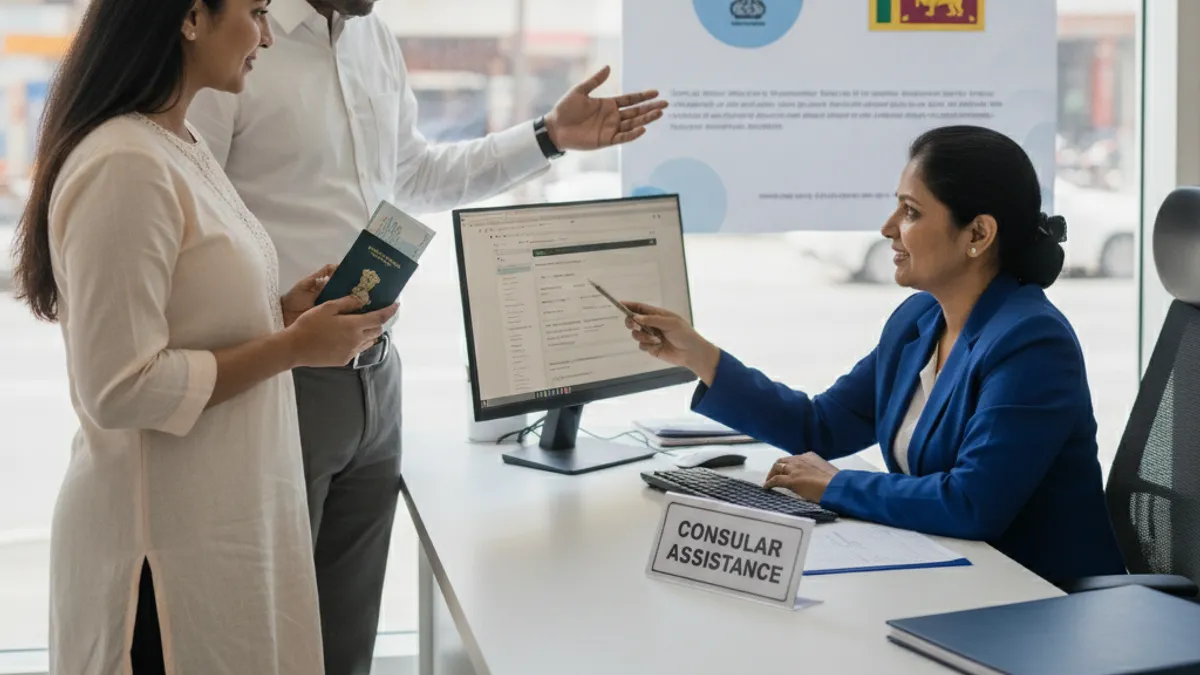
Sometimes, even with thorough research, your travel situation might be unique. If you have complex travel plans or if you're unsure about any aspect of the visa requirements, reaching out to the official sources is the smartest move. Don't guess; get definitive answers. Your travel plans depend on it.
Your Go-To Authorities
- Embassy or Consulate of Sri Lanka in India: This is your primary point of contact for any visa-related queries that fall outside the standard ETA process. They can advise on long-term visas, work permits, or specific circumstances.
- Sri Lankan Department of Immigration and Emigration Website: This official government portal is the ultimate source for up-to-date information on visa policies, ETA applications, and any changes in regulations. Always verify information here.
What to Ask
When you contact them, be prepared with specific details about your trip. Having your passport details, planned dates, and the exact purpose of your visit ready will help them provide you with the most accurate guidance. If you're experiencing issues with an ETA application, they can clarify the next steps.
Your Sri Lanka Travel Checklist
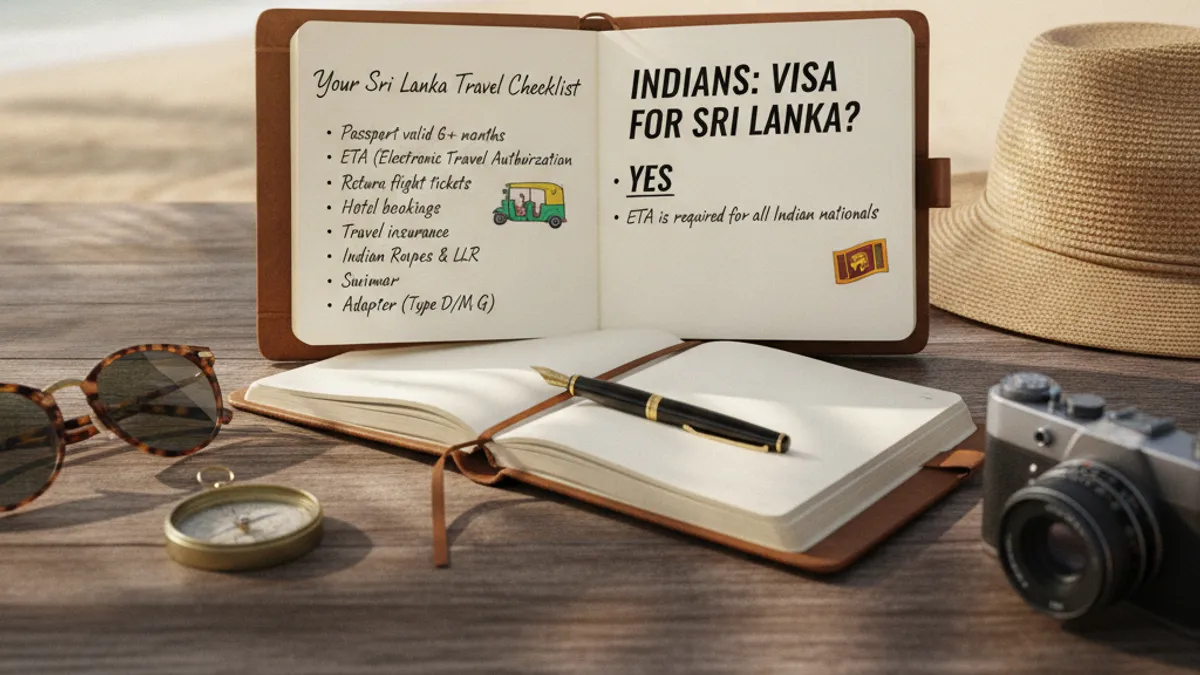
Being prepared is key to a stress-free international trip. Before you even think about packing your bags, running through a checklist ensures you haven't overlooked any critical requirements. This list focuses on the essentials for Indian travelers heading to Sri Lanka, beyond just your flight and accommodation bookings.
- Passport Validity: Confirm your passport is valid for at least six months beyond your stay and has at least two blank pages.
- Approved ETA: Print a copy of your Electronic Travel Authorization. Carry it with you in your hand luggage.
- Return or Onward Ticket: Have proof that you intend to depart Sri Lanka within the authorized period.
- Accommodation Details: Know where you're staying and have booking confirmations handy.
- Contact Information: Keep essential contact details for your accommodation and perhaps the Sri Lankan Embassy in India.
- Health Advisories: Check for any current health requirements or advisories from official sources.
Final Verdict: Do You Need a Visa for Sri Lanka?

For the vast majority of Indian citizens traveling to Sri Lanka for tourism or short business trips, the answer is a definite yes, you will need an Electronic Travel Authorization (ETA). This online pre-approval is crucial for entry. It’s a simple process when done correctly, but it’s vital to apply in advance and ensure all your details are accurate. Always refer to the official Sri Lankan immigration website for the most current rules and procedures.