
Planning travel to Mexico is exciting, but sorting out entry requirements can feel like a puzzle. A common question that pops up is, "Do I need a visa to visit Mexico?" The straightforward answer is: it depends entirely on your situation.
Thank you for reading this post, don't forget to subscribe!This isn't a one-size-fits-all scenario. Your nationality, the reason for your visit, and how long you plan to stay are the critical factors that determine if you'll need official permission to enter, and what type of document you might need. As of 2026, these core principles remain the same, so preparation is key.
Your Country Matters: Who Needs a Visa?

The most significant factor dictating your entry into Mexico is your passport's country of origin. Mexico has agreements with many nations that allow their citizens to enter for short stays without a visa, but this isn't universal. Understanding where you fit in this global picture is your first step.
Visa-Exempt Countries and How Long You Can Stay
If you hold a passport from certain countries, you can likely enter Mexico for tourism, business, or transit for up to 180 days without applying for a visa beforehand. This applies to citizens of countries like the United States, Canada, most of the European Union, and a few others. Your passport must be valid for the duration of your stay and typically needs to be in good condition. Upon arrival, immigration officials will issue you a Forma Migratoria Múltiple (FMM), often called a tourist card, which you must keep and present upon departure.
This document is proof of your legal entry for periods up to the maximum allowed for visa-exempt travelers.
Countries Requiring a Visa for Entry
For citizens of many other countries, a visa is required to enter Mexico, regardless of the purpose or duration of the visit. This means you’ll need to go through a formal application process at a Mexican embassy or consulate in your home country or country of legal residence before you travel. The requirements and application process vary widely, so it's crucial to check the specific guidelines for your nationality well in advance. Missing this step can result in being denied boarding or entry into Mexico.
What Will You Do in Mexico? Purpose of Visit Impacts Requirements

Beyond your nationality, what you intend to do in Mexico is the next critical piece of information that determines visa needs. The rules are generally simpler and more lenient for typical tourist activities than for work or study.
Tourism: The Most Common Reason
If you're planning a vacation to explore ancient ruins, relax on the beaches of Cancun, or enjoy the vibrant culture of Mexico City, your primary goal is tourism. For most tourists from visa-exempt countries, this means a straightforward entry with the issuance of a Forma Migratoria Múltiple (FMM). This entry permit allows you to stay for up to 180 days. If your nationality requires a visa for tourism, you'll need to apply for a tourist visa prior to your trip.
This process usually involves completing an application and may require an interview.
Business Trips: Different Rules Apply
Heading to Mexico for business matters, such as attending meetings, signing contracts, or participating in trade shows, often falls under a different set of rules than pure tourism. While many nationalities might not need a visa for short tourist stays, business visits can sometimes trigger the requirement for specific business visas or temporary resident visas, even if you're coming from a visa-exempt country. The key distinction is often whether you are undertaking economic activities or receiving payment within Mexico. It’s essential to clarify the exact nature of your business activities with the Mexico embassy or consulate.
Transit: Just Passing Through
If Mexico is merely a stopover on your journey to another country, and you will not be leaving the international transit area of the airport, you typically do not need a visa. This is generally true for all nationalities. However, if your transit involves leaving the airport, even for a few hours, you must verify the specific requirements for your nationality. Some nationalities might require a transit visa even for short airport layovers outside the sterile international zone.
Study or Work: Special Visa Needs
Planning to study at a Mexican university or work for a company based in Mexico? These intentions move beyond short-term tourism and necessitate a different type of visa. You will almost certainly need to apply for a specific student visa or a temporary or permanent resident visa, depending on the length and nature of your intended stay and employment. The application process for these visas is more extensive and involves proving your acceptance by an educational institution or securing a job offer and sponsorship from a Mexican employer.
It's vital to start this process well in advance, as it can take several weeks or even months to complete.
How Long Will Your Mexican Adventure Last? Duration and Visa Needs

The length of your intended stay in Mexico is a critical factor, often directly influencing whether you need a visa and what kind you might require. Mexico's immigration policies are designed to differentiate between short-term visits and longer-term residency or work.
For citizens of countries that have visa waiver agreements with Mexico, the standard tourist entry permit, the Forma Migratoria Múltiple (FMM), typically allows for a stay of up to 180 days. This covers most holiday trips. However, if you are from a country that requires a visa for entry, the duration for which you can enter visa-free or with a visa-on-arrival (if applicable) will be much shorter, often just 30 days, or you may need to apply for a visa for any length of stay. If your plans exceed these standard tourist limits, even if you are from a visa-exempt country, you will need to apply for a different status, such as a temporary resident visa, before your current permitted stay expires.
It’s imperative to be realistic about your trip duration when assessing your visa needs, as overstaying a permitted period can lead to fines, deportation, and future travel bans.
The Official Word: Where to Find Your Specific Answer

Navigating international travel regulations can feel like deciphering a complex code, and visa requirements are no exception. While general information is readily available, the most accurate and up-to-date guidance for your specific situation will always come directly from official Mexican government sources. Relying on unofficial websites or outdated advice can lead to significant travel disruptions.
Mexican Embassy & Consulate Websites: Your Best Resource
The definitive source for visa information when traveling to Mexico is the website of the Mexican Embassy or Consulate responsible for your home country or region. These official sites provide detailed breakdowns of visa requirements based on nationality, purpose of visit, and duration. They will often have interactive tools or clear lists that directly address the question: "Do I need a visa to visit Mexico?" You can usually find information on necessary documents, application procedures, fees, and processing times. For example, the Mexican Embassy in the United States provides extensive resources for U.S. citizens and residents planning travel to Mexico.
It is always wise to consult these official pages directly before making any travel arrangements.
Traveling Smart: What You'll Need at the Border

Successfully crossing into Mexico involves more than just having the right visa. Several other documents and considerations are crucial for a smooth and legal entry. Being prepared with all necessary paperwork ensures that immigration officials can process your request efficiently and grant you permission to enter the country.
Understanding the Tourist Card (Forma Migratoria Múltiple)
Almost everyone entering Mexico for tourism or short-term business will receive a Forma Migratoria Múltiple (FMM), commonly referred to as a tourist card. For citizens of countries that do not require a visa for short stays, the FMM is typically issued free of charge upon arrival, often provided by airline staff during your flight or by immigration officials at the port of entry. This document is essential, as it serves as proof of your legal entry and permits you to stay for a designated period, usually up to 180 days for visa-exempt nationals. You will need to fill out the immigration and customs portions of the form.
It is vital to keep this FMM in a safe place throughout your trip, as you will be required to present it when departing Mexico. Losing it can result in fines and processing delays. For certain nationalities who do require a visa for entry, this FMM is still a part of the entry process after a visa has been obtained.
Common Pitfalls When Entering Mexico
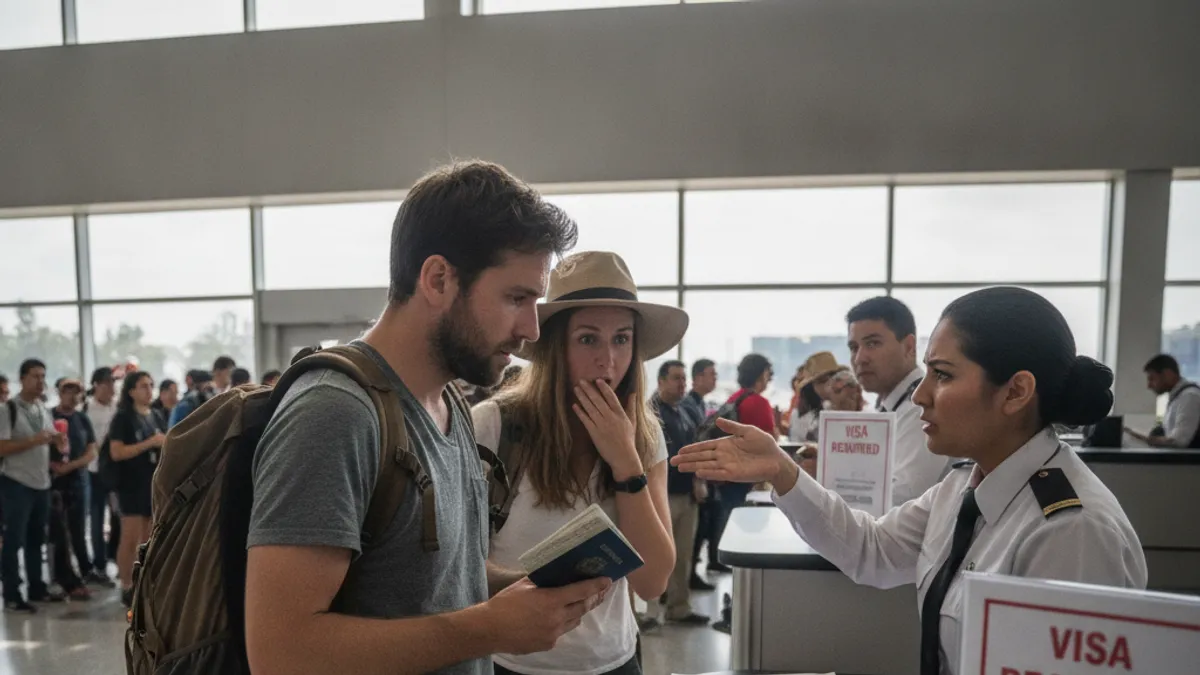
Even with the best intentions, misunderstandings about entry requirements can lead to frustrating situations at the border. Being aware of common mistakes can save you a lot of hassle and potential rejection. The most frequent issues arise from incorrect assumptions about visa needs, insufficient documentation, or not understanding the purpose of the Forma Migratoria Múltiple (FMM).
Mistakes That Could Jeopardize Your Entry
One of the biggest mistakes travelers make is assuming their nationality automatically grants them visa-free entry without checking duration limits. Forgetting to have your passport valid for at least six months beyond your intended stay is another common oversight that can lead to denial. Failing to properly complete the FMM form, or worse, losing it altogether, can cause significant problems when you try to leave Mexico and may even incur penalties. Additionally, not understanding the subtle differences between tourist and business entry purposes can lead to issues if you're misrepresenting your trip's objective to immigration officials.
Preparing for Your Trip: Essential Travel Documents
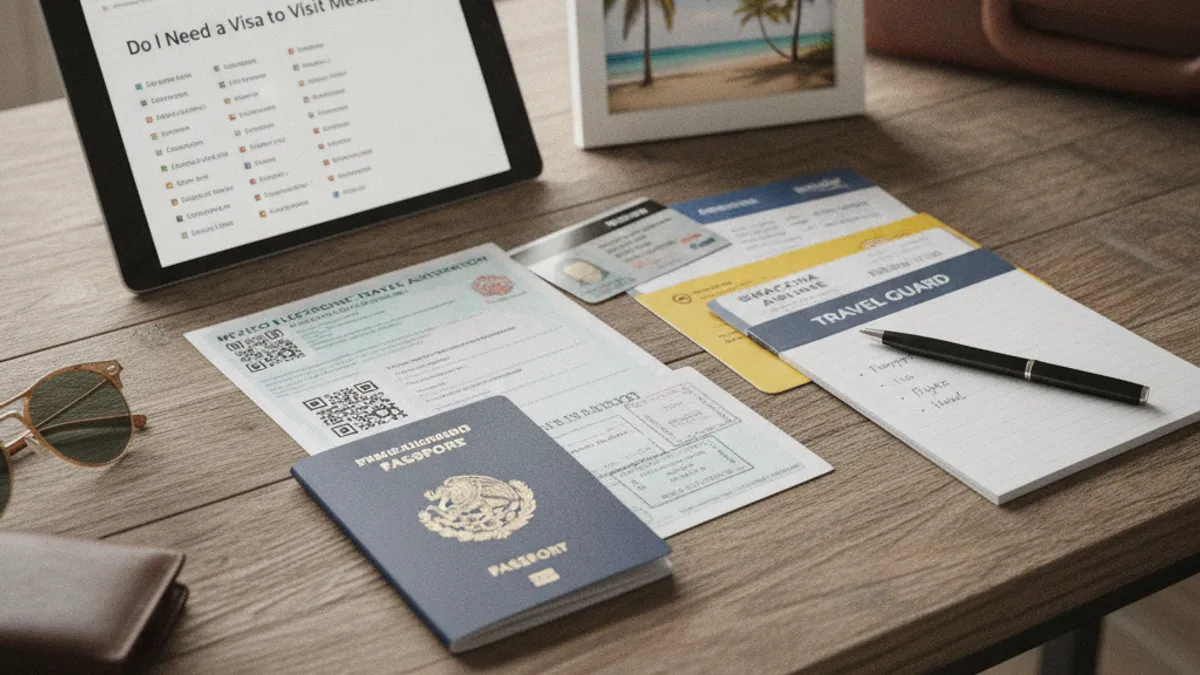
Before you even think about packing your bags, gathering the correct travel documents is paramount. Missing a key item can halt your plans before they even begin. This section covers the core documentation you’ll likely need for a smooth and legal entry into Mexico.
- Valid Passport: Your passport must be valid for at least six months from your date of entry into Mexico. Ensure it's in good condition, with no significant damage.
- Forma Migratoria Múltiple (FMM): As discussed, this is your entry permit. You’ll receive it upon arrival and must complete both immigration and customs sections. Keep it safe!
- Visa (if required): If your nationality mandates a visa for your intended stay, you must have obtained this prior to your travel date from a Mexican embassy or consulate.
- Proof of Accommodation: While not always asked for, carrying a printout of your hotel reservation or a host's contact information can be helpful if immigration officers inquire.
- Proof of Sufficient Funds: Sometimes, officers may ask to see evidence that you can support yourself during your stay. This can include bank statements or credit card details, though it's rarely requested for short tourist trips from known visa-exempt countries.
Quick Reference: Key Requirements for Entry

To give you a fast overview, here’s a simplified checklist of what you generally need to consider for entering Mexico. Remember, this is a general guide, and your specific situation might have nuances. Always check official sources for the most accurate, up-to-the-minute information relevant to your passport.
| Requirement | Details | Important Considerations |
|---|---|---|
| Nationality | Your passport's country of origin. | Determines if a visa is needed and maximum stay length. |
| Passport Validity | Must be valid for at least 6 months from date of entry. | Crucial for all international travel. |
| Visa | Required for some nationalities; not for others up to 180 days. | Apply well in advance if needed. Check official embassy sites. |
| Forma Migratoria Múltiple (FMM) | Issued upon arrival for most travelers. | Keep it safe! You need it for departure. Penalties for loss. |
| Purpose of Visit | Tourism, business, transit, study, work. | Different purposes may require different visa types or procedures. |
| Duration of Stay | Varies by nationality, typically up to 180 days for visa-exempt tourists. | Overstays can lead to fines, deportation, and travel bans. |
| Proof of Funds | Sometimes requested by immigration. | Carry evidence of financial ability to support your stay. |