
Planning a trip from the UK to the United States can bring up a lot of questions, and one of the biggest is: do I need a visa for the USA from UK? It's a common concern, and getting it right is key to avoiding any last-minute travel headaches. Many people can travel for short visits without a formal visa, but knowing the rules is essential.
Thank you for reading this post, don't forget to subscribe!For most short-term tourist or business trips, you'll likely use the Electronic System for Travel Authorization, or ESTA. This online system helps pre-screen travelers under the Visa Waiver Program (VWP). It’s designed to streamline entry for citizens of specific countries, including the UK, provided certain conditions are met. As of 2026, the core requirements for ESTA eligibility remain similar, focusing on trip purpose and duration.
Who Can Use the Visa Waiver Program (VWP)?
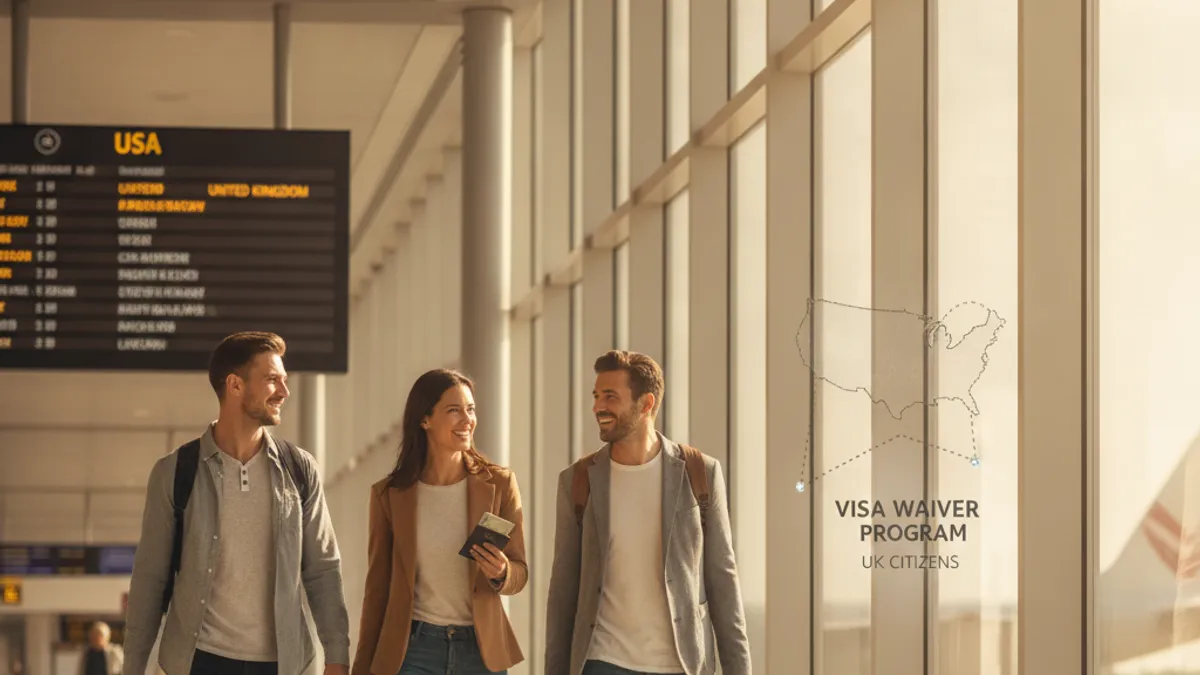
If you're a UK citizen wondering about your trip to the US, the most common path that bypasses a traditional visa is the Visa Waiver Program, or VWP. This program allows citizens of designated countries to travel to the United States for tourism or business for stays of 90 days or less without obtaining a visa. The UK is indeed part of this program, which is great news for many travelers.
However, eligibility isn't automatic just because you're from the UK. There are specific requirements you need to meet before you can benefit from the VWP.
Here’s a breakdown of who generally qualifies:
- Citizenship: You must be a citizen of a country that participates in the Visa Waiver Program. As mentioned, the UK is on this list.
- Purpose of Travel: Your trip must be for tourism or business. This means visiting family, sightseeing, attending conferences, or negotiating contracts. It does not cover full-time study, employment, or permanent residency.
- Duration of Stay: You must be planning to stay in the United States for 90 days or less. This duration is strict and applies to your entire trip, including any travel within US territories.
- Valid Passport: You need a valid e-passport. An e-passport is one that has a special electronic chip embedded in it. You can usually identify these by a small circular symbol on the cover of your passport, often with a camera icon. This chip contains your biographical information and biometric data.
- Pre-Approval System: You must successfully apply for and receive authorization through the Electronic System for Travel Authorization (ESTA) process before you travel.
If you meet all these criteria, you're likely eligible to travel under the VWP. If even one of these conditions isn't met, you'll need to explore options for obtaining a US visa. It’s always better to be sure you meet every point before booking flights.
Getting Your ESTA: The Easy Route

So, you've figured out that you likely qualify for the Visa Waiver Program (VWP). That’s fantastic! The next step in the process, which is also the easiest one for most travelers, is to apply for an Electronic System for Travel Authorization, or ESTA. Think of ESTA as your digital boarding pass for the VWP.
It’s an online system that checks your eligibility before you even set foot on a plane heading to the States.
Applying for ESTA is designed to be quick and straightforward. It’s definitely not the same as a full visa application, which can be a much more involved process. The goal of ESTA is to provide a streamlined entry for eligible travelers.
Here’s how the ESTA application typically works:
- Visit the Official Website: This is crucial. There are many third-party websites that will process your ESTA application for you, but they often charge significantly higher fees than the official government site. Always ensure you are on the official U.S. Customs and Border Protection (CBP) ESTA site.
- Fill Out the Application Form: You'll need to provide accurate information. This includes your passport details (number, issuing country, expiry date), personal information (name, date of birth, address), and travel details (flight information, although this isn't always mandatory upfront).
- Answer Screening Questions: The form includes a series of questions to assess your eligibility and security risk. These cover areas like past criminal activity, visa violations, and any history of terrorism-related involvement. Honesty is paramount here.
- Pay the Fee: There is a fee associated with an ESTA application. This fee helps cover the costs of the program, and it's typically quite modest, often around $21 USD. You'll usually pay this using a credit or debit card.
- Submit and Await Approval: Once you submit your application and payment, you'll usually receive a response fairly quickly. Most ESTA applications are approved within minutes or a few hours. However, it's strongly recommended to apply at least 72 hours before your planned travel date to account for any unforeseen delays or issues.
An approved ESTA is generally valid for two years, or until your passport expires, whichever comes first. It allows for multiple entries into the U.S. during its validity period, as long as each stay is under 90 days and for the purpose of tourism or business. Remember, an ESTA approval does not guarantee entry into the United States; that final decision rests with U.S. Customs and Border Protection officers at the port of entry.
Your ESTA Application Checklist
To make sure your ESTA application goes smoothly, have these items ready:
- Valid e-passport: Check the expiration date and ensure it's an e-passport with the chip symbol.
- Personal contact information: Current address, phone number, and email address.
- Travel information: Details about your intended destination in the U.S. and your travel dates.
- Employment information (if applicable): Your employer's name and address if you are currently employed.
- Payment method: A valid credit or debit card for the ESTA fee.
Common ESTA Application Mistakes to Dodge
Even with a straightforward process, people do make mistakes when applying for ESTA. Avoiding these common pitfalls can save you a lot of hassle.
- Using unofficial websites: As mentioned, this is a big one. You could pay more or even fall victim to scams. Always verify you're on the official U.S. government site.
- Incorrect passport details: Double-check every number and letter. A small typo can invalidate your application.
- Dishonest answers: Lying on your ESTA application can lead to denial, and could impact future travel. Be truthful on all screening questions.
- Applying too late: Don't wait until the last minute. The 72-hour recommendation is there for a reason.
- Not updating if circumstances change: If your passport details or other application information changes after approval, you may need to reapply.
When You Definitely Need a US Visa
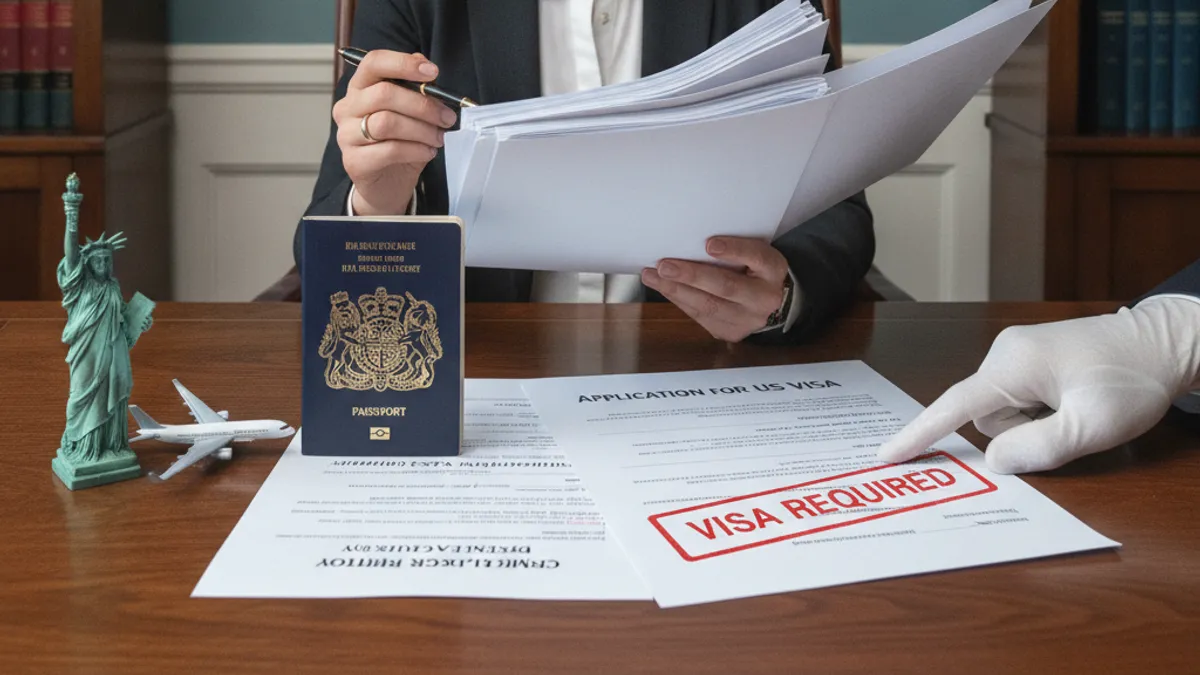
There are certain situations where the Visa Waiver Program (VWP) and its ESTA application just won’t cut it. If your travel plans don't quite fit the VWP criteria, you'll need to apply for a formal U.S. visa. This is a more detailed process and generally takes longer, so it’s important to identify this need early in your planning.
The U.S. offers a wide range of visa categories, each designed for a specific purpose of entry. The key is to determine which visa type best matches your reason for traveling. Don't worry, we'll go through the most common reasons why you might need to apply for a visa instead of using ESTA.
Reasons You'll Need a Visa
Let's look at the most common scenarios where a visa is unavoidable for UK citizens heading to the USA:
- Longer Stays: This is a big one. If your planned trip to the U.S. exceeds the 90-day limit allowed under the VWP, you will need a visitor visa, typically a B-2 visa for tourism or a B-1 visa for business. Even if you just plan to perhaps stay a little longer, it's safer to apply for the appropriate visa.
- Study: Are you heading to the U.S. to attend a college, university, or language program? If so, you'll need an F-1 student visa. This visa requires you to be accepted by a Student and Exchange Visitor Program (SEVP)-certified school and to obtain a Form I-20 from them.
- Work: Any intention to work in the United States, whether paid or unpaid, requires a specific work visa. There are numerous categories, such as the H-1B for specialty occupations, L-1 for intracompany transferees, and O-1 for individuals with extraordinary ability. Getting a work visa often involves sponsorship from a U.S. employer and specific qualification criteria.
- Exchange Programs: If you are participating in cultural exchange programs, like an au pair or a specific academic exchange, you'll likely need a J-1 exchange visitor visa. These programs are managed by designated sponsors.
- Journalism or Media: While some short-term journalistic activities might be covered under a business visa, if you are coming specifically to film, report, or engage in other media-related work, you might need an I visa for foreign media representatives.
- Travel with Certain Passport Types: If your passport is not an e-passport (meaning it lacks the electronic chip), you are not eligible for the VWP, regardless of your trip's purpose or duration. You would then need to apply for a visa.
- Previous Immigration Violations or Visa Denials: If you have previously overstayed a visa, been deported from the U.S., or had a previous visa application denied, you will almost certainly need to apply for a visa and potentially attend an interview, even for short trips.
If any of these descriptions match your travel plans, then the next step is to look into the specific U.S. visa application process. It’s a more rigorous examination of your eligibility and intentions, requiring more documentation and potentially an interview at a U.S. embassy or consulate.
Navigating the Visa Application Process
Applying for a U.S. visa is a more involved process than getting an ESTA. It requires thorough preparation and often an in-person interview. The exact steps and required documents can vary significantly depending on the type of visa you are applying for, but here's a general outline of what you can expect:
- Determine Your Visa Type: As we've just discussed, the first and most crucial step is identifying the correct visa category for your specific travel purpose. This will dictate the application forms, required documents, and interview questions.
- Complete the Online Visa Application Form (DS-160): For most nonimmigrant visas, you'll need to fill out the DS-160 form online. This is a detailed application that collects extensive personal, travel, and background information. You'll need to upload a recent photograph that meets U.S. visa photo specifications.
- Pay the Visa Application Fee: There's a non-refundable application fee (often called the MRV fee) that must be paid before you can schedule an interview. The amount varies by visa type.
- Schedule Your Visa Interview: Once the fee is paid, you can schedule an interview at the U.S. Embassy or Consulate. Wait times for interviews can vary greatly depending on your location and the time of year, so plan well in advance.
- Gather Required Documents: You'll need to bring a collection of documents to your interview. This typically includes your valid passport, the DS-160 confirmation page, the fee payment receipt, your interview appointment letter, and any supporting documents relevant to your visa type (e.g., proof of funds, employment letters, acceptance letters from schools, sponsorship documents). A passport valid for at least six months beyond your intended stay is essential.
- Attend Your Visa Interview: During the interview, a consular officer will ask you questions about your trip, your background, and your intentions. The officer's goal is to determine if you meet the eligibility requirements for the visa and if you intend to comply with the terms of your visa.
- Receive a Decision: The officer will typically tell you at the end of the interview whether your visa has been approved, denied, or if further administrative processing is required. If approved, your passport will be kept for visa stamping and returned to you later.
This process can take several weeks or even months from start to finish, so it’s vital to start early, especially if you have fixed travel dates.
Understanding Your Passport's Role
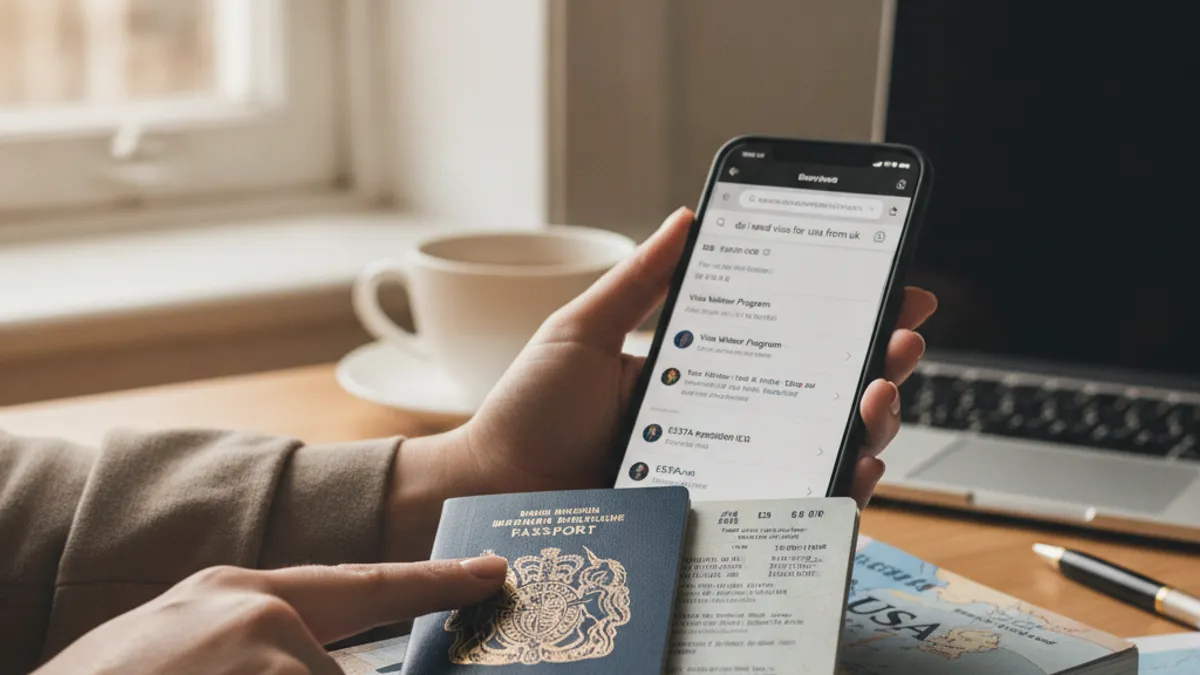
Your passport is more than just an ID; for international travel, it's your primary travel document and plays a critical role in determining your entry options. When flying from the UK to the USA, your passport's type and validity are key factors affecting whether you can use the streamlined ESTA process or if you must apply for a full visa. It’s one of those foundational pieces of travel prep that’s easy to overlook but can cause significant problems if not addressed.
Specifically, for the U.S. Visa Waiver Program (VWP), your passport needs to meet certain electronic specifications.
Here’s what you need to know about your passport regarding U.S. entry rules:
- e-Passport Requirement: The most significant requirement for VWP travelers is that you must possess an e-passport. An e-passport is equipped with a small microchip that stores your biographical information, such as your name, date of birth, and nationality, as well as a digital version of your photograph. This chip uses ISO standard ICAO standards for enhanced security and efficient processing. You can typically identify an e-passport by a symbol on the front cover, it looks like a small, stylized camera or a rectangle with a circle inside.
- Passport Validity: Your passport must be valid for at least six months beyond your intended period of stay in the United States. This is a standard requirement for many countries. For example, if you plan to leave the U.S. on October 15th, your passport must not expire before April 15th of the following year. If your passport expires sooner, you'll need to renew it before you can travel or apply for ESTA.
- Current Passport Information: When you apply for ESTA, you must use the exact passport details that match your physical passport. Any discrepancies between the information you provide and the information in your passport (like name changes, wrong passport number, or incorrect issue/expiry dates) can lead to your ESTA being denied or your admission to the U.S. being questioned at the border.
- Renewing or Replacing: If your passport is due to expire soon, or if it's not an e-passport, you’ll need to apply for a new one well in advance of your trip. The process of obtaining a new passport can take several weeks, so don't leave it to the last minute.
Essentially, your passport is your gateway to travel eligibility. For the simplest entry into the U.S. as a UK citizen for short trips, ensure you have a current e-passport that meets the validity requirements. If your passport doesn't fit these criteria, don't despair; it simply means you'll need to go through the U.S. visa application process instead.
U.S. Entry Rules: What You Need to Know
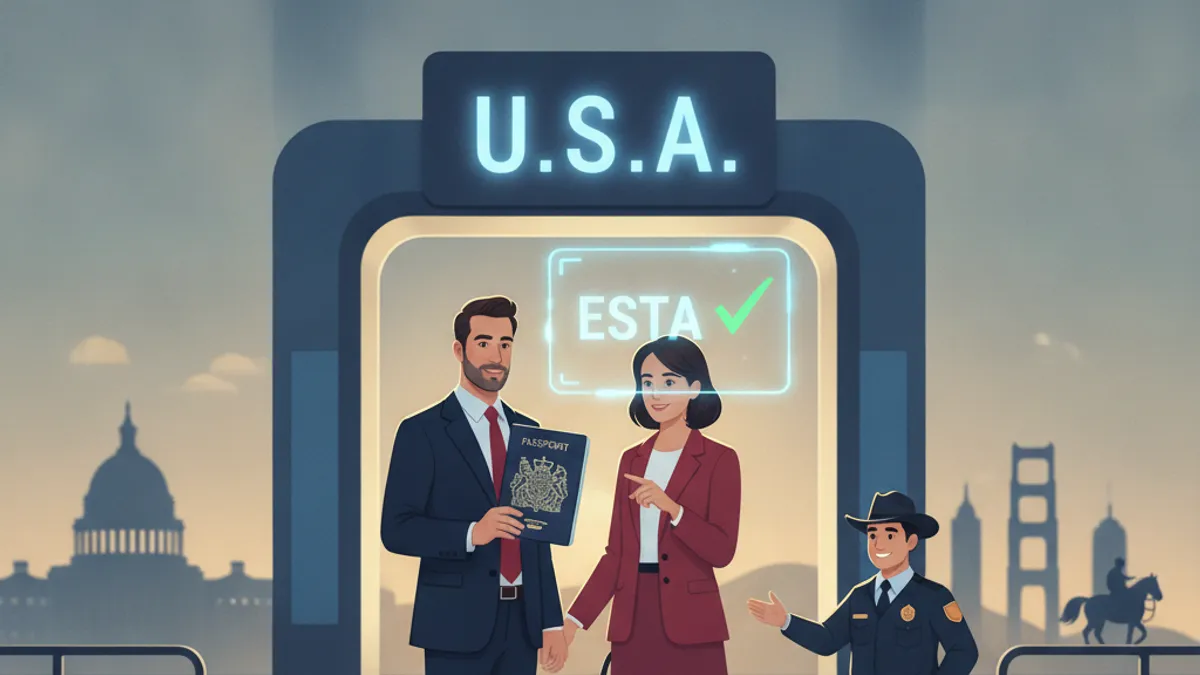
Entering the United States involves a set of rules and regulations designed to ensure security and manage immigration. For UK citizens, understanding these rules is paramount for a smooth journey. The primary determinants of your entry process are the purpose of your visit and how long you intend to stay.
The U.S. Customs and Border Protection (CBP) officers at the port of entry have the final authority on admitting any traveler into the country. They review your documentation and may ask specific questions to verify your eligibility and intentions.
Key aspects of U.S. entry rules include:
- Purpose of Visit: As we've discussed, U.S. immigration law categorizes travelers based on why they are entering. Tourism, business meetings, study, and employment all fall under different categories, each with its own set of requirements and documentation. Attempting to enter under a VWP authorization for a purpose that requires a visa can lead to denial of entry or other penalties. Immigration officials carefully scrutinize this.
- Duration of Stay: The 90-day limit for the VWP is strictly enforced. If you overstay your authorized period of admission, even by a day, you can face severe consequences, including future bars from entering the U.S. or difficulties obtaining future visas. This is a non-negotiable rule.
- Admissibility: Beyond documented requirements, officers assess your overall admissibility. This can include looking at your criminal history, previous immigration violations, and any factors that might suggest you intend to immigrate illegally or pose a security risk. It's a comprehensive assessment.
- Declaration of Goods: You must declare any goods you are bringing into the U.S., especially if they are for commercial use, exceed certain value limits, or fall under prohibited items (like certain foods, plants, or weapons). Failure to declare can lead to confiscation or fines.
It's crucial to be honest and upfront in all your dealings with CBP officers. Providing false information or failing to declare required items can result in significant penalties, including fines, confiscation of goods, or denial of entry.
Where to Get Official Help
When you're navigating the complexities of international travel requirements, especially for a country like the United States, it’s absolutely vital to get your information from the most reliable sources. Relying on unofficial advice or outdated information can lead to significant problems, missed flights, or denied entry. For anything related to U.S. entry, including visa and ESTA information, you should always turn to official government channels.
These official bodies are the definitive source for all regulations, application procedures, and updates. They provide the most current and accurate guidance.
Here are your primary points of contact for official U.S. travel information:
- U.S. Department of State Official Visa Website: This is the go-to resource for all U.S. visa information. It provides details on different visa types, application processes, fees, and interview requirements. You can find country-specific information, eligibility criteria, and links to start your application.
- U.S. Customs and Border Protection (CBP), ESTA Website: For those eligible for the Visa Waiver Program, the official ESTA website is your sole destination for applying for travel authorization. It's managed by CBP and is the only place to submit your application directly and securely. Be wary of any site that looks official but isn't hosted on a U.S. government domain.
- U.S. Embassy and Consulates in the UK: If you have specific questions that aren't answered on the official websites, or if you encounter a complex situation, the U.S. Embassy in London and its consulates are invaluable resources. They can provide guidance on visa applications, interviews, and other consular services. Their websites often have FAQs and contact information for inquiries.
Using these official sources ensures you are acting on the most up-to-date information. Regulations and procedures can change, so always verify with these authorities before making significant travel plans or submitting applications.