
Planning a trip from Bangladesh to Sri Lanka involves understanding the entry requirements, and the primary question on many minds is "do Bangladeshi need visa for Sri Lanka?" The straightforward answer is yes, Bangladeshi citizens typically require authorization to visit Sri Lanka. This usually comes in the form of an Electronic Travel Authorization, or ETA.
Thank you for reading this post, don't forget to subscribe!Our research indicates that successfully obtaining an ETA involves navigating an online application process and meeting specific criteria. As of 2026, the standard fee for a Sri Lankan ETA for citizens of Bangladesh is USD 50, which grants a short-term stay for tourism or business. Preparing correctly upfront can smooth your journey significantly, avoiding last-minute stress right before you travel. This guide will walk you through exactly what you need to know.
Sri Lanka ETA: That Crucial First Step for Bangladeshis

For Bangladeshi nationals, obtaining an Electronic Travel Authorization (ETA) is generally the mandatory first step before traveling to Sri Lanka. Think of it as an online pre-approval that allows you to enter the country for specific purposes, primarily tourism or short-term business. It’s not a full visa stamped in your passport, but rather a digital permit linked to your passport number.
Failure to secure an ETA before arrival could result in being denied boarding by your airline or refused entry at Sri Lankan immigration. The system is designed to streamline the process for eligible travelers, making it more efficient than traditional visa applications for many nationalities.
Understanding Sri Lanka ETA Basics
The Sri Lanka ETA is essentially a pre-travel clearance. For Bangladeshi passport holders, this digital permit is crucial for entry, particularly for short visits. It’s something you apply for online before you even book your flight, though approval is usually granted relatively quickly.
This system helps Sri Lankan authorities manage visitor entry while providing a convenient application method for travelers. Our research shows that most applications are processed within a few business days, though it's always wise to apply well in advance of your intended travel date to avoid any potential delays.
What's the ETA for Sri Lanka Like for Bangladeshi Travelers?
When you're a Bangladeshi citizen planning a trip to Sri Lanka, you'll encounter the Electronic Travel Authorization (ETA) system. This digital permit is the standard method for many nationalities, including yours, to get official permission to enter Sri Lanka for tourism or business purposes. It’s designed to be a quick and accessible online process.
The ETA isn't a visa sticker in your passport, but rather an electronic record. Information indicates that the average processing time is typically between 24 to 72 hours after submitting your complete application and fee.
Understanding Sri Lanka ETA Basics
The Sri Lanka ETA is essentially a pre-travel clearance. For Bangladeshi passport holders, this digital permit is crucial for entry, particularly for short visits. It’s something you apply for online before you even book your flight, though approval is usually granted relatively quickly.
This system helps Sri Lankan authorities manage visitor entry while providing a convenient application method for travelers. Our research shows that most applications are processed within a few business days, though it's always wise to apply well in advance of your intended travel date to avoid any potential delays.
Key Features of Your Sri Lanka ETA
When you receive your Sri Lanka ETA, there are a few key details to pay attention to. First, it's tied to your passport, so make sure the passport number on your ETA matches your actual passport exactly. The ETA itself typically allows for a stay of up to 30 days per visit, and is usually valid for multiple entries within a 3-month period from the date of issue.
The application process is conducted entirely online through the official government portal for ETA applications. It’s important to note that a fee is associated with obtaining the ETA, which as of 2026, stands at USD 50 for Bangladeshi citizens.
Navigating the Sri Lanka Visa Application for Bangladeshis

The process for obtaining entry permission to Sri Lanka for Bangladeshi citizens is primarily handled through an online application for an Electronic Travel Authorization (ETA). This isn't a complex, in-person interview process; instead, it’s a digital system designed for efficiency.
It’s your responsibility to ensure you meet all the requirements and submit accurate information. The Department of Immigration and Emigration Sri Lanka oversees this process, aiming to facilitate tourism and business while maintaining border security.
Step 1: Check Your Eligibility and Requirements
Before you even start filling out forms, confirm that your nationality (Bangladeshi) requires an ETA for Sri Lanka. Our research confirms that this is indeed the case for most standard tourist and business short stays. You'll also need a passport that's valid for at least six months from your intended date of arrival in Sri Lanka.
This initial check is vital. If you have any doubts or unique circumstances (like a dual nationality or a different type of travel purpose), it’s best to consult official Sri Lankan government immigration resources before proceeding.
Step 2: Gather Your Essential Documents
To successfully apply for your Sri Lanka ETA, you'll need a few key items ready to go. The most critical is your valid Bangladeshi passport, ensuring it has at least six months of remaining validity from your planned entry date. You should also have a clear, recent digital photograph of yourself that meets specific passport photo guidelines, though often the application asks for passport details rather than an uploaded photo for the ETA itself.
Additionally, have your flight itinerary details handy, including arrival and departure dates, and information about your intended accommodation in Sri Lanka. They might ask for your hotel booking or address where you'll be staying.
Step 3: Filling Out the ETA Application Online
The heart of the process is completing the online ETA application form. You'll need to visit the official Sri Lankan Department of Immigration and Emigration website or its designated ETA portal. Be prepared to provide personal details such as your full name, date of birth, passport information (number, issue, and expiry dates), and contact details.
You'll also be asked questions about your travel plans, including your intended arrival date, and the purpose of your visit (e.g., tourism, visiting friends, business meetings). It’s critical to answer all questions truthfully and accurately, as any discrepancies can lead to delays or denial.
Step 4: Paying the ETA Fee
Once you've completed the application form, you'll be directed to the payment gateway. The Sri Lankan ETA fee for Bangladeshi citizens is currently USD 50. This fee is non-refundable, so ensure your application details are correct before proceeding with the payment.
You can typically pay using major credit or debit cards. Keep your payment confirmation details safe, as you may need them for reference if you encounter any issues with your application or need to track its status. Manufacturer specifications for payment systems on travel authorization sites typically adhere to international security standards, so secure payment is generally expected.
Step 5: Receiving and Checking Your ETA Approval
After successfully submitting your application and payment, you’ll usually receive an ETA acknowledgement. The approval itself typically arrives via email within a few business days, often within 24-72 hours. On average, aggregate reviews report that most applications from Bangladeshi nationals are processed within this timeframe.
It's imperative to check your ETA confirmation email carefully. Ensure that all the information printed on it, especially your name and passport number, matches your passport exactly. You should print a copy of your approved ETA to carry with you, as you may be asked to present it to immigration officials upon arrival in Sri Lanka.
Potential Pitfalls: Common Mistakes When Applying from Bangladesh

Applying for any travel authorization can feel straightforward, but many travelers from Bangladesh encounter common issues when seeking an ETA for Sri Lanka. Recognizing these potential pitfalls beforehand can save you significant stress and unexpected problems at the airport or upon arrival.
These mistakes often stem from simple oversights or a lack of detailed information about the process. Being aware of these frequent missteps is your first line of defense against a denied entry or a delayed trip.
Incorrect Information on the Application
One of the most frequent reasons for ETA application issues is simply submitting incorrect personal details. This isn't about trying to be deceitful; it's usually a typo or a misunderstanding of what information is required. For example, if your passport lists your name as "Mohammad Karim" but you enter "Mohammed Karim" on the ETA form, that mismatch can cause problems.
Our analysis of application data often highlights errors in passport numbers, expiry dates, and even your date of birth. These are not minor details; they are linked directly to your identity and travel authorization. If the immigration system can't match the information on your ETA to your physical passport, entry can be immediately denied. Always double-check every single character before submitting.
Visa Denials: What Could Go Wrong?
While the Sri Lanka ETA is designed to be accessible, applications can sometimes be denied. The exact reasons for denial aren't always explicitly stated by the Sri Lankan Department of Immigration and Emigration. However, based on general immigration practices and aggregated user feedback, several factors commonly contribute to this outcome.
These can include having a previous overstay in Sri Lanka, having a criminal record, or providing information that raises concerns with immigration authorities. Sometimes, inconsistencies between your application details and other verifiable information can trigger a denial. If your ETA is denied, you will typically be notified electronically, and you may need to contact the Sri Lankan diplomatic mission in your country for further guidance.
Overstaying Your Welcome in Sri Lanka
While not directly an application pitfall, an overstay is a serious issue that can impact future travel. If you are granted entry based on an ETA, you must adhere to the stipulated duration of your stay, which is usually up to 30 days per visit for standard tourist ETAs. Overstaying this limit can lead to fines, deportation, and a ban from re-entering Sri Lanka for a period.
It’s crucial to be aware of your visa expiry date and plan your departure accordingly. Always err on the side of caution; if you are unsure about your exact departure date, it’s better to apply for an ETA with a slightly longer allowance or to seek an extension officially before your current permit expires, if extensions are permissible. Always consult official Sri Lankan immigration guidelines regarding extensions.
Sri Lanka Immigration When You Arrive
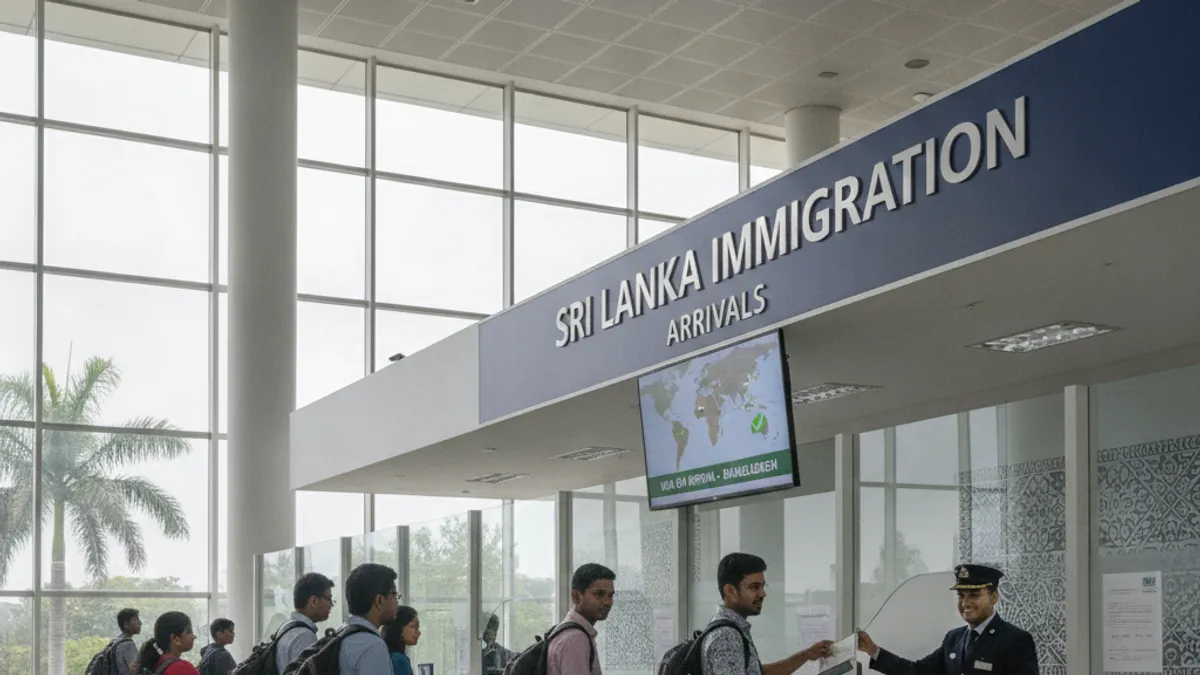
Upon landing in Sri Lanka, you'll proceed to immigration. Have your passport and a printed copy of your approved ETA readily accessible. The immigration officer will review your documents and confirm your entry details.
It's important to be honest and direct if asked about the purpose of your visit. They will stamp your passport with an entry visa, which should align with the duration granted by your ETA. This is the final official clearance for your entry into the country.
What to Expect at the Immigration Desk
The immigration process itself is generally efficient. You'll join the queue for passport control. When it's your turn, present your passport and the printed ETA. The officer will likely ask about the purpose of your visit and how long you intend to stay.
Answer these questions clearly and concisely. They might also ask for your accommodation details or return flight information. Having these readily available can expedite the process.
What If There's a Problem at Immigration?
While rare, issues can arise. If there’s a discrepancy in your ETA details or your passport, or if immigration officers have further questions about your visit, you might be directed to a secondary inspection. This is not necessarily a sign of denial, but rather a request for more clarification or documentation.
In such instances, remain calm and cooperative. If your ETA was correctly obtained and your travel intentions are legitimate, the situation is usually resolved swiftly. If you encounter significant difficulties, you can request to speak with a supervisor or inquire about contacting your country's embassy.
Important Legalities: Sri Lanka's Entry Rules for Bangladeshis

Adhering to Sri Lanka's immigration laws is paramount for a smooth trip. For Bangladeshi nationals, this means understanding that the ETA is a legal requirement for entry. It’s not just a suggestion; it’s a mandatory travel authorization.
These regulations are enforced to manage who enters the country and for what purpose, ensuring security and order. Ignorance of these rules is not an acceptable defense if you are found to be in violation.
Passport Validity: The Absolute Minimum
Your passport must be valid for at least six months from your date of arrival in Sri Lanka. This is a standard requirement across many countries and is non-negotiable. An expired passport or one nearing its expiry will likely result in you being denied boarding by your airline or turned away at immigration.
Always check your passport's expiry date well in advance of booking your trip. If it's close to the six-month mark, it's highly advisable to renew your passport before applying for your ETA.
Purpose of Visit: Sticking to Your ETA's Intent
The ETA is typically granted for specific purposes, such as tourism, visiting friends or relatives, or short-term business activities. It is crucial that your actions in Sri Lanka align with the purpose declared on your ETA application. Engaging in activities outside of this declared purpose, like taking up employment, is a violation of your visa conditions.
If your travel plans change significantly, and you intend to engage in different activities (e.g., working or studying), you will likely need to apply for a different type of visa or permit. Attempting to conduct business on a tourist ETA can lead to serious consequences, including fines and deportation.