
Planning a trip to the stunning island of Sri Lanka, are we? That’s fantastic! One of the biggest questions on any traveler's mind is snagging the right entry documents. It’s completely understandable to wonder about the convenience of just getting your visa sorted right there at the airport.
Thank you for reading this post, don't forget to subscribe!The straightforward answer is: it really depends on your situation. It's not a simple yes or no for everyone. To help you navigate this, we've laid out exactly what you need to consider before you even start packing. Sri Lankan immigration requires adherence to specific standards, with visa policies often updated as of 2026 to reflect current international relations and travel demands.
Quick Answer: It Depends (Here's When)
So, can you get a visa on arrival in Sri Lanka? The answer is often no, not in the traditional sense for most nationalities. While some countries allow a visa to be issued by immigration officials directly at the airport, Sri Lanka generally requires travelers to obtain an Electronic Travel Authorization (ETA) or a visa before they arrive. This ETA system is designed to streamline the process for most tourists and business visitors.
However, there are a few specific exceptions and nuances. Certain nationalities or individuals traveling for very specific, short-term purposes might be eligible for direct visa issuance at the port of entry. But, relying on this can be risky. Our research indicates that the vast majority of visitors will find the online ETA application to be the most reliable and efficient method for securing entry clearance.
Who Gets a Visa on Arrival in Sri Lanka?
Figuring out who gets to skip the pre-travel visa application for Sri Lanka is all about a couple of key factors: your passport's country of origin and, to a lesser extent, the exact purpose of your visit. Sri Lanka employs a system where certain nationalities are granted the privilege of obtaining their entry authorization upon arrival, while others are required to secure it beforehand. This decision isn't arbitrary; it's based on diplomatic agreements and reciprocal travel policies.
Understanding Nationality Eligibility
This is the absolute number one factor. Sri Lanka has a list of countries whose citizens are permitted to request a visa on arrival (VOA) if they meet certain criteria, typically for short-term tourism. However, this list can and does change. For instance, many Western European countries, the United States, and Canada generally need to apply for an ETA in advance.
Conversely, citizens of a smaller set of nations might be explicitly listed as eligible for a VOA application directly at the immigration counter.
It's critical to remember that even if your country is on a VOA eligibility list, it's not an automatic guarantee. It means you can apply for it upon arrival, but you still need to present all the necessary documentation and meet the immigration officer's satisfaction. A failure in any of these aspects could mean being denied entry or being required to sort out a visa in a less convenient manner.
Understanding Purpose of Visit Eligibility
Beyond nationality, the reason you're heading to Sri Lanka also plays a part. The visa on arrival option is almost exclusively for short-term tourism. If your trip is for business, studying, working, or even extended family visits, a visa on arrival is typically not an option, regardless of your nationality. For these purposes, you will almost certainly need to apply for the appropriate visa category in advance through the official channels.
The goal of these distinctions is to ensure that visitors enter the country with the correct permissions for their activities.
For example, if you're planning a quick holiday to explore the ancient ruins and experience the beaches, and you're from an eligible country, a VOA might be feasible. But if you're going for a business conference, even if you're from a VOA-eligible country, you'll likely need a different type of visa secured prior to departure. Always align your visa application or request with your stated intent for visiting.
How Sri Lanka's Entry System Works
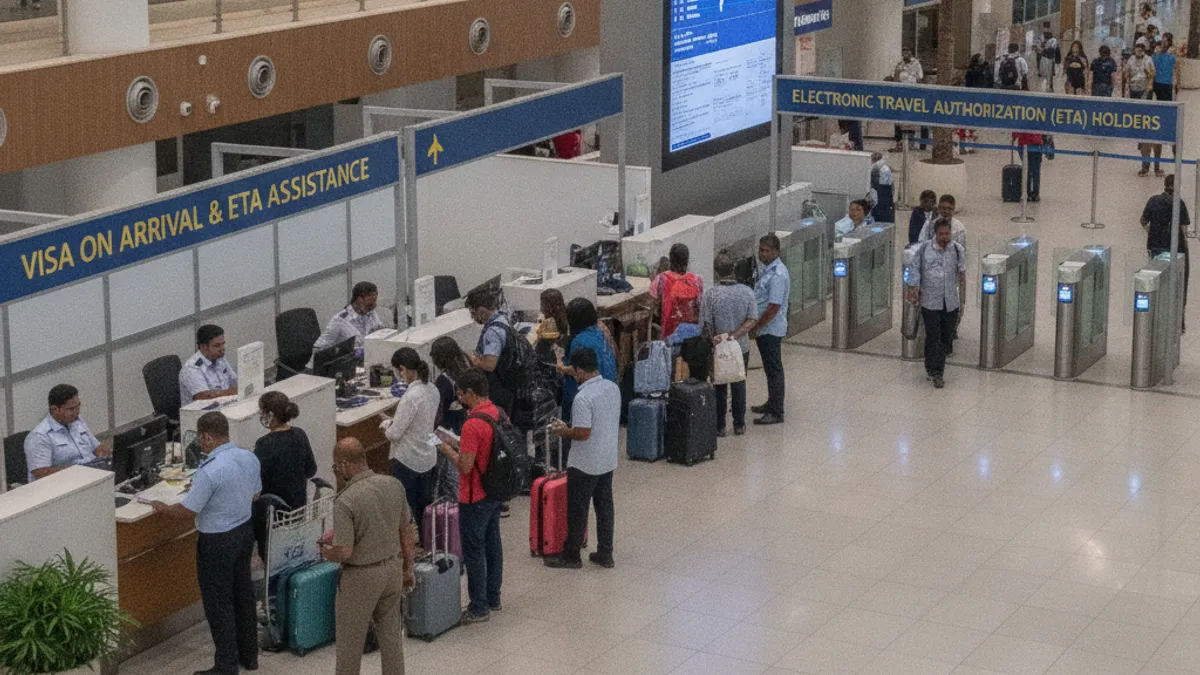
Sri Lanka has a modern approach to managing entry for international visitors, primarily relying on an electronic system to manage most applications. This system is designed to be efficient, though it does have specific requirements based on who you are and why you're coming to the island. Understanding this framework is key to avoiding surprises.
The Role of the Electronic Travel Authorization (ETA)
The Electronic Travel Authorization, or ETA, is the primary method for most visitors to gain permission to enter Sri Lanka for tourism or short business trips. Think of it as an online pre-clearance that you obtain before you leave your home country. You fill out an application online, pay a processing fee, and if approved, you receive an ETA confirmation. This document is crucial because it allows you to board your flight and presents you to immigration officials upon arrival.
The ETA system aims to expedite the immigration process, reducing queues and allowing officers to focus on genuine security concerns rather than routine visa issuance. While some nationalities might be eligible for a visa on arrival, the ETA is generally considered the standard and most reliable route for many tourists. It provides a clear indication of your entry approval before you embark on your journey, offering peace of mind.
What Happens at Immigration for Visa on Arrival
If you are one of the few whose nationality permits a visa on arrival (VOA) application, the process unfolds at the immigration counter in Sri Lanka. You'll approach the designated VOA counter, present your passport and any required supporting documents, and state your purpose for visiting. The immigration officer will then assess your eligibility based on the country's current regulations for your nationality. This assessment includes verifying your passport's validity, checking for proof of onward travel, and ensuring you have sufficient financial means to support your stay.
It's important to note that even if you are eligible, a visa on arrival is not guaranteed. The final decision rests with the immigration officer, who will evaluate your application at the time of arrival. If approved, the visa will be stamped into your passport. If for any reason your application isn't successful, you might be asked to leave the country or directed to an embassy to sort out the correct visa.
This is why pre-application, especially via the ETA, is often preferred.
Key Requirements for Visa on Arrival

If your nationality allows you to consider a visa on arrival (VOA) in Sri Lanka, or even if you're using the pre-approved ETA, certain core documents and proofs are always on the table. Immigration authorities want to see that you're a legitimate visitor with a clear plan and the means to support yourself during your stay. Missing even one of these can lead to significant problems.
Passport Validity and Other Documents
Your passport is your primary identification document, and Sri Lankan immigration has strict rules about it. Your passport must be valid for at least six months from your date of arrival in Sri Lanka. This is a standard requirement in many countries, ensuring that your passport remains valid for the duration of your intended stay and beyond, in case of unforeseen delays. Make sure there are enough blank pages for any stamps or visas.
Beyond your passport, you may need to present other documents depending on the specific visa type or arrival requirements. This could include a printed copy of your ETA approval (if you obtained one online), a completed immigration landing card (often provided on the plane or at the immigration counter), and potentially a visa application form if you are applying for a VOA. Some travelers might also be asked for other forms of identification or travel documentation.
Proof of Onward Travel and Funds
This is where many potential visitors stumble if they haven't planned thoroughly. To be granted entry, especially on a visa on arrival or even an ETA, you almost always need to demonstrate that you have plans to leave Sri Lanka. This typically means presenting a confirmed return or onward flight ticket. Immigration officials want to know that you're not planning to overstay your visa or use Sri Lanka as a place to reside indefinitely without proper long-term visa arrangements.
Equally important is proving you have sufficient funds to cover your expenses while in Sri Lanka. This isn't about showing bank statements on demand, but rather having the financial capacity to afford your accommodation, food, and activities. While immigration officers don't typically ask to see exact amounts, they may inquire about your accommodation plans and financial resources. If you appear unable to support yourself, you could be denied entry.
Carrying some cash and having readily accessible credit or debit cards is usually a good idea.
Who Should Apply for an ETA Before Traveling?
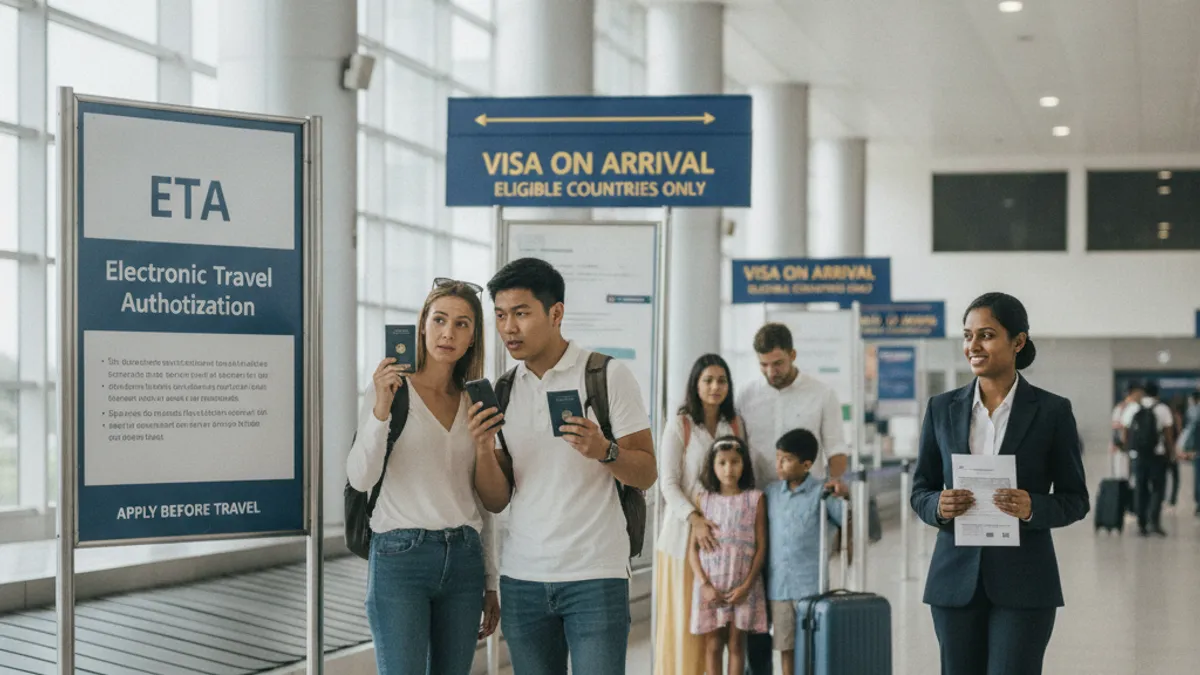
For the vast majority of people planning a trip to Sri Lanka, applying for an Electronic Travel Authorization (ETA) in advance is the smart move. This applies if your nationality isn't explicitly on the short list of countries eligible for a visa on arrival, or even if it is, and you simply want the smoothest possible entry experience. The ETA process is designed to be straightforward and can often be completed in just a few minutes online.
Think about it: you get your entry clearance confirmed before you even step on the plane. This means you can board with confidence, knowing that you've met the primary immigration requirement. This proactive approach bypasses potential delays or complications at the airport, where immigration officers have the final say on visa issuance. It's the recommended route for tourists, business visitors, and anyone looking for certainty in their travel plans and to avoid any last-minute issues.
Potential Problems and What to Watch Out For
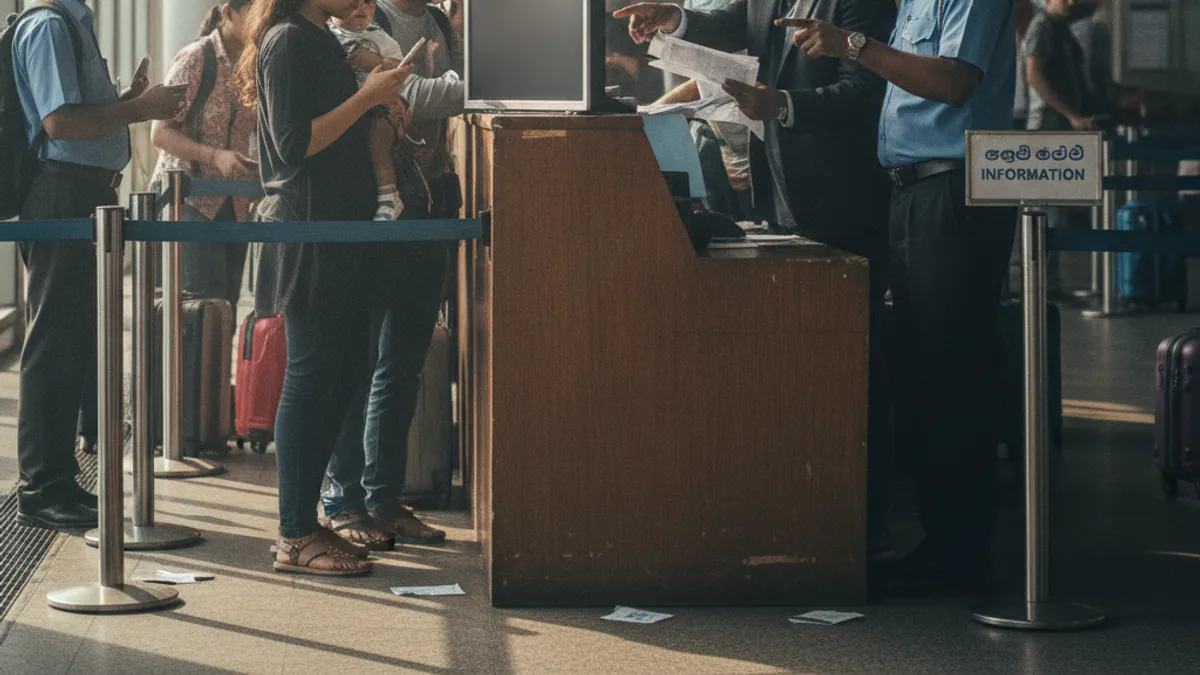
Even with the best intentions, traveling can sometimes bring unexpected hurdles, and visa situations are prime examples. When you're looking at a visa on arrival in Sri Lanka, or even the ETA process, there are specific pitfalls to be aware of. Understanding these potential problems proactively can save you a lot of stress, money, and even a denied entry.
Avoiding Immigration Hassles and Delays
The biggest hassle people worry about is getting stuck at immigration. This often happens when travelers haven't thoroughly checked the requirements for their specific nationality or when their documentation isn't in order. For instance, arriving with a passport that has less than six months of validity left is a surefire way to face delays or even be turned away. Similarly, not having a return ticket or proof of sufficient funds can raise red flags.
These delays aren't just time-consuming; they can be frustrating and potentially jeopardize your onward travel plans or hotel bookings. Always double-check the official Sri Lankan immigration website or contact your local embassy to get the most current information for your situation. Even with an ETA, immigration officers have the final say and might ask probing questions or request additional documents.
The Risk of Being Denied Entry
The most serious risk when not properly prepared is being denied entry into Sri Lanka. This is more common if you're attempting to get a visa on arrival and don't meet the criteria or lack the necessary documentation. Immigration officers are tasked with enforcing the country's laws, and their decision is often final. If denied, you might be immediately placed on a flight back to your point of origin.
This can happen for various reasons, including insufficient passport validity, lack of a confirmed onward ticket, not having proof of financial means, or if your stated purpose of visit doesn't align with the visa-on-arrival category. It's also possible to be denied if there are concerns about your immigration history or if your electronic travel authorization was not properly obtained from an official source. The consequences can be significant, including potential bans from re-entry.
Expert Tips for a Smooth Arrival
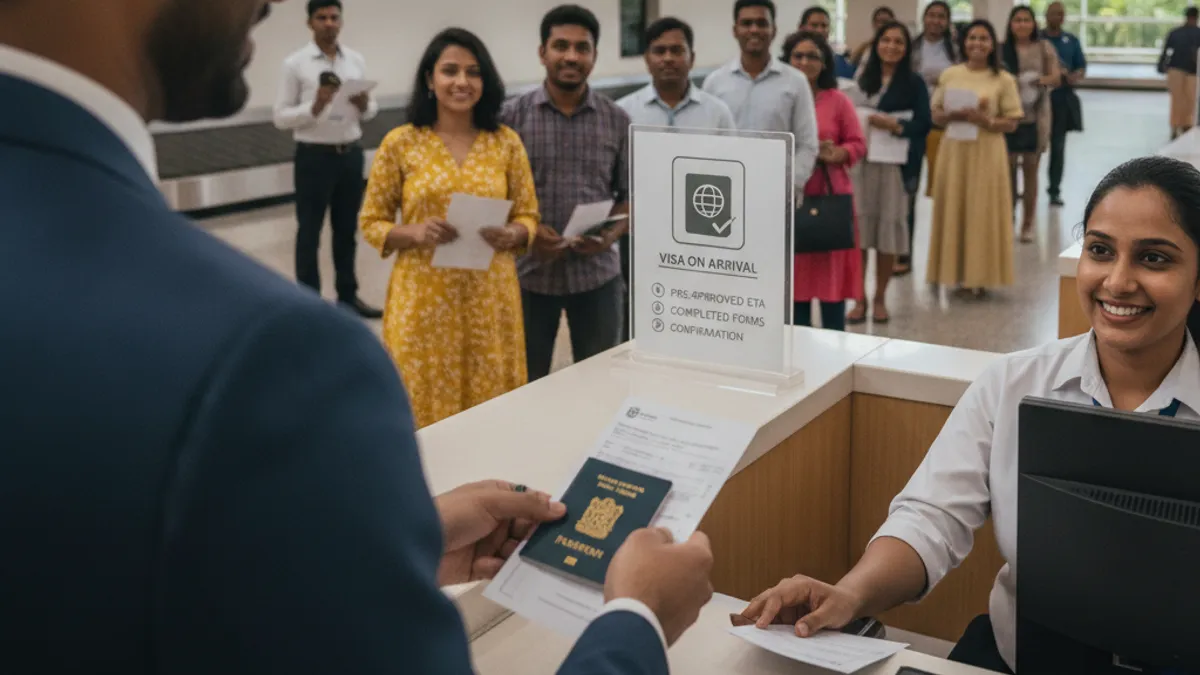
Getting into Sri Lanka smoothly, whether you're aiming for a visa on arrival or have your ETA already sorted, comes down to preparation and knowing the current rules. Our research and analysis of official guidelines suggest a few key practices that make a