
When planning a trip to the United States, one of the first questions many from the UK ask is: "Do British need a visa for the USA?" It's a crucial detail that can significantly impact your travel plans, and thankfully, for many, the answer is simpler than you might think.
Thank you for reading this post, don't forget to subscribe!The good news is that for short trips for tourism or business, British citizens often don't need a traditional visa. They can typically enter under the Visa Waiver Program (VWP), provided they meet specific criteria and obtain authorization. This program allows citizens from eligible countries to enter the U.S. for up to 90 days without a visa.
Who Can Travel Visa-Free to the USA? The Visa Waiver Program (VWP)

The Visa Waiver Program, often called the VWP, is an arrangement between the United States and a select group of countries. It allows citizens from these nations to travel to the U.S. for tourism or business for up to 90 days without obtaining a visa. This program is administered by the Department of Homeland Security.
What is the Visa Waiver Program?
Manufacturers specify that the VWP is a bilateral agreement that streamlines travel for citizens from participating nations. It aims to facilitate tourism and short business trips. You must be a citizen of an eligible country to qualify for visa-free entry.
Requirements for VWP Eligibility
To be eligible to travel to the U.S. under the Visa Waiver Program, you must meet several key requirements. These are quite specific, and failing to meet even one can mean you'll need a different type of travel authorization, like a visa. To use the VWP, you must:
- Be a citizen of a VWP-eligible country. The UK is on this list.
- Have a passport valid for at least six months beyond your intended date of departure from the U.S. This is a standard requirement for international travel.
- Be traveling for tourism or business purposes only. This includes holidays, visiting friends or family, or attending business meetings.
- Your stay must not exceed 90 days. This limit is strict.
- Not have certain criminal convictions or previous U.S. immigration violations. Some past issues can disqualify you.
Do You Need ESTA or a Visa? Let's Figure It Out
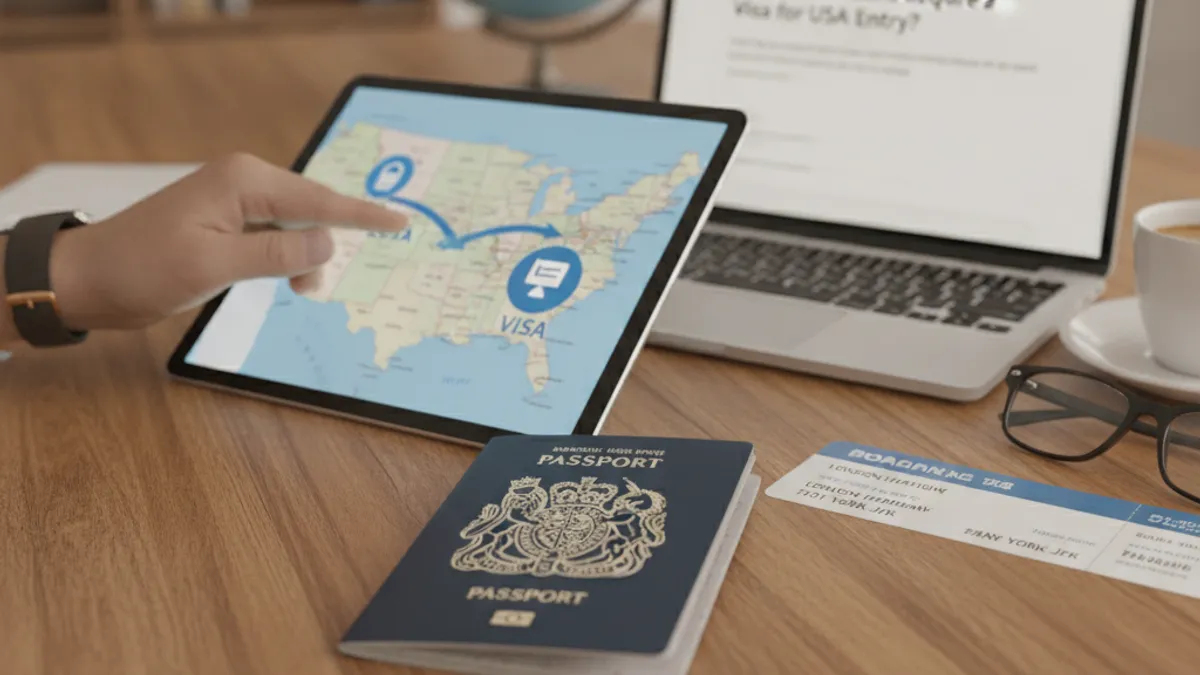
This is where many people get a little confused. You might be eligible for the VWP and therefore not need a full visa, but you will still need authorization. This is where ESTA comes into play.
The Difference: ESTA vs. U.S. Visa
ESTA stands for Electronic System for Travel Authorization. It's not a visa; rather, it's an online pre-screening system that determines your eligibility to travel to the U.S. under the Visa Waiver Program. It's a requirement for all VWP travelers and must be obtained before boarding. A U.S. visa is a formal document, usually stamped in your passport, that grants you permission to enter for specific reasons like study or work, and it involves a more extensive application and interview process.
When You Absolutely Need a U.S. Visa
There are several scenarios where you simply cannot use the VWP and will require a formal visa. If you fall into any of these categories, you'll need to start the visa application process well in advance of your travel date.
- Staying Longer Than 90 Days: If your travel plans exceed the 90-day limit of the VWP, you'll need a visa.
- Working or Studying: The VWP is strictly for tourism and business. If you intend to work, even freelance, or study in the U.S., you must apply for the appropriate work or student visa.
- Previous Immigration Issues: If you've ever been denied entry to the U.S., overstayed a previous visit, or have specific criminal records, you are likely ineligible for the VWP and will need to apply for a visa.
- Certain Travel Purposes: Visas are required for immigration, certain medical treatments, or if you're acting as foreign press, among other specific needs not covered by the VWP.
Navigating the ESTA Application: Your First Step
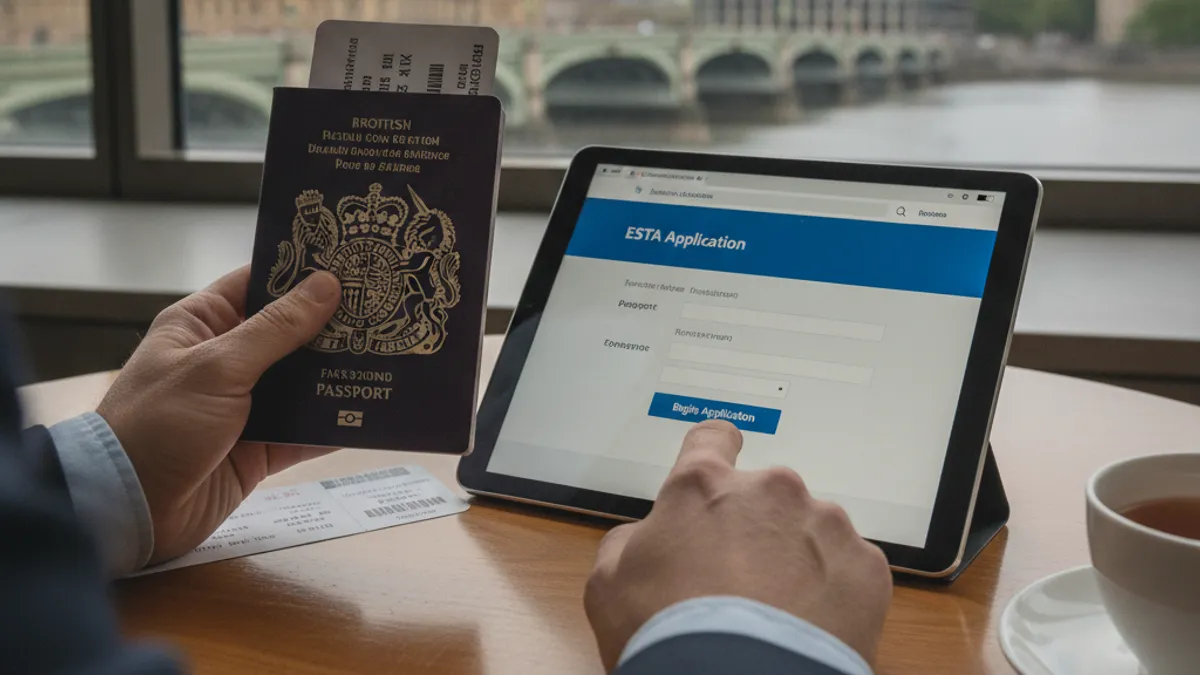
If you're flying under the Visa Waiver Program, getting your ESTA is a mandatory step. It's designed to be a quick online process, but it's important to get it right.
Applying for ESTA: Who, What, When
You must apply for ESTA online through the official U.S. Customs and Border Protection website. This electronic system verifies your eligibility to travel under the VWP. Your application should be submitted at least 72 hours before your intended travel, though it’s wise to do this as soon as your travel plans are firm.
The system checks your passport details and answers to screening questions against various security databases.
ESTA Costs and Validity
There's a small fee for an ESTA application. As of 2026, this fee is typically around $21 USD, though it's always best to check the official site for the current amount. Once approved, your ESTA authorization is generally valid for two years from the date of issue, or until your passport expires, whichever comes first. During this period, you can make multiple entries into the U.S. under the Visa Waiver Program, as long as you continue to meet all the VWP eligibility requirements for each trip and each stay is 90 days or less.
When a U.S. Visa is Essential for Your Trip

As we've touched upon, for many travelers, the VWP and ESTA are sufficient. However, if your circumstances don't fit the VWP criteria, you'll have to go the route of a formal visa application. This process is more involved but allows for entry for a wider range of purposes and durations.
Common Visa Types for British Travelers (B-1/B-2)
For British citizens who cannot use the VWP but intend to visit for tourism or business, the most common visa is the B-1/B-2 visa. The B-1 visa is for temporary business visitors, and the B-2 visa is for tourism and pleasure trips. Often, these are issued concurrently as a combined B-1/B-2 visa.
This visa category is suitable if your visit involves attending business meetings, consulting with business associates, participating in scientific or educational conventions, or simply taking a holiday, visiting family, or seeking medical treatment. It’s crucial to be honest about your intended activities when applying.
The U.S. Visa Application Process: What to Expect
Applying for a U.S. visa involves more steps than an ESTA. You'll need to complete the online application form, known as the DS-160. This is a comprehensive form requiring detailed personal and travel information. After submitting it, you'll pay a non-refundable visa application fee, the amount of which varies depending on the visa type but is typically around $185 for non-immigrant visas.
The final and usually mandatory step is an interview at the U.S. Embassy or Consulate in London. Here, a consular officer will review your application and ask you questions about your travel plans, your ties to the UK, and your intentions in the U.S. Be prepared to provide supporting documents, such as proof of employment, financial statements, and itineraries.
This entire process can take several weeks, sometimes longer, so starting it well in advance of your planned travel date is absolutely essential.
Key Questions to Determine Your Travel Needs
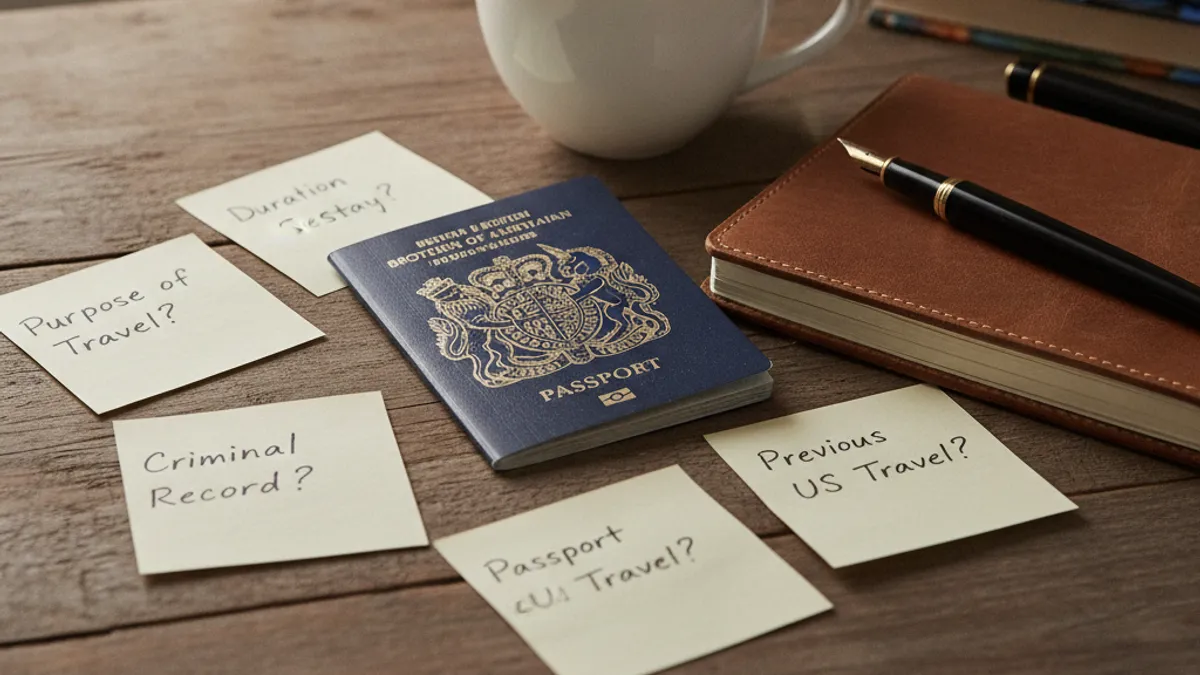
To help you figure out whether you need an ESTA or a visa, let's dive into the critical questions you need to ask yourself about your trip. These will directly guide you toward the correct authorization.
Purpose of Your Visit: Tourism, Business, or Something Else?
The primary reason for your visit is a major deciding factor. The Visa Waiver Program is strictly for short-term tourism or business. This includes things like:
- Tourism: Vacations, visiting family or friends, attending cultural events.
- Business: Consulting with business associates, attending conferences, negotiating contracts, or participating in scientific, educational, or professional conventions.
If your reason for travel is anything else, such as employment, studying, or immigrating, you will almost certainly need a different type of visa. For instance, pursuing a degree will require an F-1 student visa, and taking up a job offer will necessitate an appropriate work visa like an H-1B. Even some short-term volunteer work might require a visa, depending on the nature and duration of the activity.
Duration of Your Stay: Do You Need More Than 90 Days?
The 90-day limit under the Visa Waiver Program is a hard cap. If your intended stay in the United States is for 90 days or less, and you meet all other VWP criteria, then ESTA will likely be your pathway. However, if your trip is planned to be longer than 90 days, perhaps an extended holiday, a research project that requires more time, or a longer visit with family, you will need to apply for a visa. The B-2 tourist visa is generally the option for longer leisure stays, while specific work or student visas cover extended professional or academic pursuits.
It’s vital to be realistic about your itinerary when determining which authorization you need.
Past Travel History and Immigration Rules
Your history with U.S. immigration is a significant factor in determining your eligibility for the VWP. If you have ever been denied entry into the United States, or if you have previously overstayed a visa or the VWP period, you will likely be ineligible for future VWP travel. In such cases, you will be required to apply for a visa and may need to attend a more in-depth interview to explain your past circumstances. Additionally, certain criminal convictions, even if expunged in the UK, can also make you inadmissible to the U.S. under the VWP, necessitating a visa application and potentially a waiver.
It's always recommended to review the U.S. Department of State's guidelines on inadmissibility if you have any concerns about your past travel or legal history.
Common Mistakes to Avoid When Planning Your USA Trip

When planning your trip, it's easy to overlook a crucial detail, especially with international travel regulations. Avoiding these common pitfalls can save you a lot of stress and potential travel disruptions.
Forgetting ESTA or Applying Too Late
One of the most frequent mistakes is assuming that because you're from the UK and traveling for tourism, you can just show up at the airport. All VWP travelers must have an approved ESTA before boarding their flight or vessel. Another common error is waiting until the last minute to apply for ESTA. While the official guidance is 72 hours in advance, processing can sometimes take longer, and a denial means you'll need to apply for a visa, which is a much more complex and time-consuming process.
Incorrectly Assuming VWP Eligibility
Not everyone from a VWP country is automatically eligible for visa-free travel. As we've covered, specific circumstances, such as prior immigration violations or certain criminal records, can disqualify you. Many travelers assume their UK citizenship automatically grants them VWP access without considering these crucial exclusions, only to be denied boarding or entry. It's essential to read through all the eligibility requirements thoroughly before booking flights.
Misunderstanding Visa Requirements
This often happens when travelers have legitimate reasons to visit that fall outside VWP. Someone might be planning a longer holiday or a short business trip that might require specific documentation, but they incorrectly believe ESTA is sufficient for everything. The distinction between ESTA for short tourism/business and a visa for longer stays, work, or study is vital; confusing them can lead to being turned away at the border, facing significant disruption and disappointment.
Official Sources for U.S. Travel Requirements
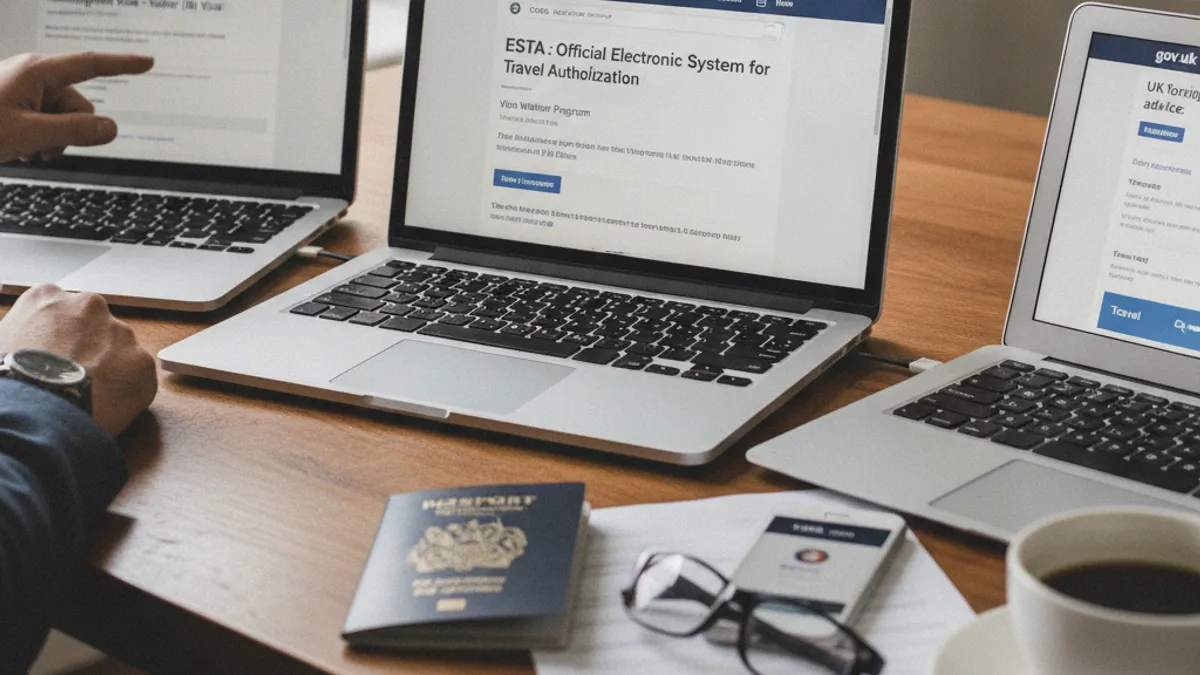
Navigating immigration rules can feel complex, so always rely on the most authoritative information. The U.S. government provides official channels for all visa and travel authorization inquiries. Staying updated directly from these sources is the most reliable way to ensure you have the correct information for your travel. Always refer to official U.S. government websites for the latest regulations and forms.