
Navigating how to get a Singapore visa can feel complex, but it's manageable when you know the exact steps. Singapore is known for its stringent yet efficient immigration procedures, and understanding the requirements upfront is key to a smooth application. Whether you're planning a short vacation, a business trip, or an extended stay, clarity on the visa process helps avoid last-minute hiccups.
Thank you for reading this post, don't forget to subscribe!To get started, your first crucial step is to pinpoint your nationality and confirm if you can enter Singapore visa-free or if an application is indeed necessary. Many nationalities can enter for short stays without a visa, but if yours requires one, you'll need to prepare for the official application. This typically involves submitting a completed Visa Application Form and meeting specific passport validity criteria, like having at least six months remaining on your passport. Let's break down your path to Singapore.
Can You Enter Singapore Visa-Free?
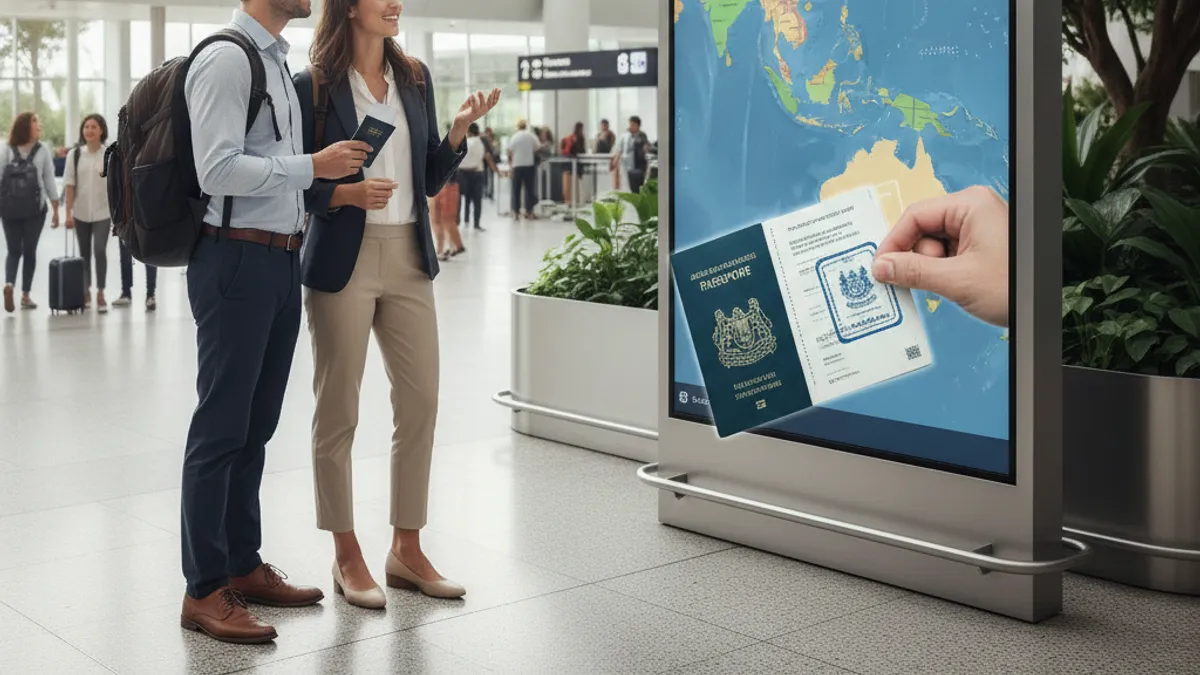
This is the absolute first question you need to answer. Singapore has bilateral agreements with many countries that allow their citizens to enter for short stays without needing to apply for a visa beforehand. Depending on your passport, you might be able to step off the plane and explore the city-state without any prior visa application headaches.
Checking Your Nationality's Entry Requirements
The most reliable way to check is to consult the official list of countries eligible for visa-free entry. This list is maintained by Singapore's Immigration and Checkpoints Authority (ICA). For instance, citizens of many Western countries, as well as nations like Malaysia and Brunei, can typically enter for periods ranging from 30 to 90 days without a visa. You'll need to look up the specific duration allowed for your country, as this can vary.
Always check the latest regulations on the ICA website before you book flights.
Singapore Visa Types: Which One Do You Need?

If you've determined that you do need a visa, understand that there isn't just one "Singapore Visa." The Immigration and Checkpoints Authority (ICA) issues different types based on the primary purpose of your visit. Picking the right one is essential; a tourist visa won't suffice for someone intending to work. Applications are often returned without processing if the wrong visa category is selected.
Tourist, Business, Student, Employment, and More
Let's look at the most common categories:
- Tourist Visa: For individuals traveling for leisure, sightseeing, or visiting friends and family. It generally allows for a short stay.
- Business Visa: If you are heading to Singapore for meetings, conferences, or business-related activities that don't involve employment, you'll likely need this.
- Student Visa / Pass: For those planning to study at a Singaporean educational institution, a student pass is required. This process involves endorsement from the institution.
- Employment Pass / Work Visa: If you have secured a job offer, your employer will typically sponsor your Employment Pass application. This is a complex process with specific salary and qualification thresholds.
- Other Passes: Singapore also has specialized passes for dependents, long-term social visits, and other specific purposes.
The specifics of each can differ significantly, influencing documents and processing time.
What You'll Need for Your Singapore Visa Application
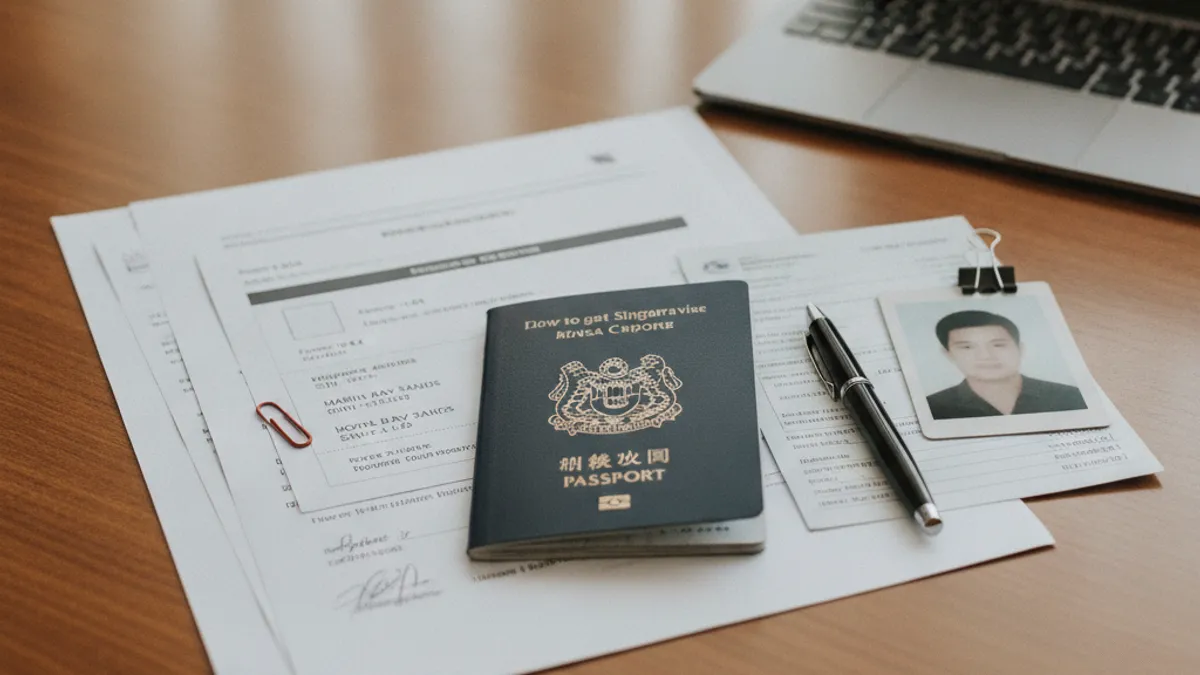
Once you've identified the correct visa type, the practical part begins: gathering all necessary documentation. Singapore's ICA is thorough. Even small omissions can cause delays or outright rejection. Think of this as a checklist you must get through before submitting your application.
Passport, Photos, and Other Key Documents
Here's what you can generally expect to need, though exact requirements might shift based on your nationality and visa category:
- Valid Passport: Must be valid for at least six months from your intended date of entry. It should also have at least two blank pages.
- Completed Visa Application Form: Usually submitted online through the ICA's portal or an authorized overseas mission. Fill it out accurately and completely.
- Recent Passport-Sized Photographs: These must meet ICA requirements, often including a white background and a neutral expression. As of 2026, dimensions typically remain standard: 35mm x 45mm.
- Proof of Financial Means: Evidence of your ability to support yourself, such as bank statements or an employer letter.
- Travel Itinerary: Sometimes helpful for tourist applications, detailing planned activities.
- Proof of Accommodation: An advance hotel booking or a letter of invitation from a host.
- Supporting Documents: Depending on the visa type, this could include an employment letter, school admission letter, or an invitation from a Singaporean company.
Check the most up-to-date list of required documents on the official ICA website for your specific situation.
How to Apply for Your Singapore Visa: The Workflow

Applying for a Singapore visa is a sequence of distinct actions. Think of it like following a map; each step leads you closer to your destination. Skipping a step or trying to jump ahead will likely cause trouble. The ICA designed this workflow to gather information systematically.
Step 1: Determine Your Visa Eligibility
Before anything else, confirm if you need a visa and, if so, which type. Many nationalities are visa-exempt for short tourist or business trips. If you are not visa-exempt, determine the correct visa category based on your trip's purpose: tourism, business meetings, study, or employment. This decision point is critical as it dictates subsequent requirements.
For example, documents for an Employment Pass differ vastly from those for a tourist visit.
Step 2: Gather and Prepare Your Documents
Once you know your visa type, assemble the required paperwork. Get your passport in order, ensuring at least six months of validity from your intended arrival date. Obtain recent passport-sized photographs that strictly adhere to ICA specifications, a white background and neutral expression are standard. Gather any specific supporting documents tied to your visa category, such as invitation letters or employment confirmations.
Incomplete or incorrectly formatted documents are top reasons for visa application delays.
Step 3: Complete the Application Form
The application form requires careful attention. Most visa applications are handled online through the Immigration and Checkpoints Authority’s portal or an authorized overseas mission. Provide accurate personal details, passport information, travel plans, and answers to specific questions. Double-check every field for typos or missing information.
A mistake, like misspelling your name or entering an incorrect passport number, can lead to significant complications.
Step 4: Submit Your Application and Pay Fees
After meticulously filling out the form, proceed to submission. For online applications, this usually involves uploading scanned documents and submitting electronically. If applying through an embassy or consulate, follow their specific procedures. Payment of visa fees is typically required at this stage or shortly after.
These fees vary by nationality and visa type and are generally non-refundable, even if rejected.
Step 5: Awaiting the Decision
Once your application and payment are submitted, the waiting period begins. Processing times for Singapore visas vary considerably. Tourist visa applications might take around 7 to 30 business days, but this can extend depending on peak seasons or if additional checks are needed. Apply well in advance of your planned travel date to allow for processing and potential requests for further information.
Refrain from making non-refundable bookings until your visa is approved.
Singapore Visa Processing Times and Costs

Understanding the investment of time and money is crucial when planning any international trip. For Singapore visas, both processing times and costs are variable factors depending heavily on your nationality and visa type. Planning with these factors will set realistic expectations and prevent last-minute rushes or budget shortfalls.
Typical Timelines and Fee Variations
Tourist visa applications often take around 7 to 10 business days to process. However, this can sometimes extend to 30 business days, especially if there are many applications or if your case requires further review. For more complex visa categories, such as Employment Passes or Student Passes, processing can be significantly longer, often from 1 to 4 weeks, or more if extensive documentation is needed.
What Do Visa Fees Look Like?
Visa fees are not uniform. A standard tourist visa application for certain nationalities might cost around SGD 30. Some nationalities may have different fee structures or exemptions due to bilateral agreements. These fees are generally non-refundable.
Always check the official ICA website or your local Singapore High Commission or Consulate for the most accurate and up-to-date fee information for your citizenship. These costs are subject to change and usually quoted in Singapore Dollars.
Common Mistakes That Can Get Your Singapore Visa Rejected

Even with careful planning, visa applications can hit snags. The Singapore Immigration and Checkpoints Authority (ICA) has clear guidelines. Deviating from them, even unintentionally, can lead to rejection. Understanding these common pitfalls beforehand can save you frustration and help ensure your application proceeds smoothly.
Some applications are returned due to simple oversights. Others are declined because applicants didn't grasp core requirements for their specific situation, especially regarding the purpose of their visit. Applicants often underestimate the importance of providing complete and accurate information.
Incomplete or Incorrect Documentation
This is a frequent reason for visa rejection. If you submit a form with missing fields, or if supporting documents aren't what the ICA expects, your application will likely be flagged. For example, if your passport does not meet the six-month validity rule, or if a photograph doesn't conform to ICA's precise specifications (like background color or headshot size), it's an automatic red flag.
Misrepresenting the Purpose of Your Visit
Not being truthful about why you want to enter Singapore is a critical error. If you apply for a tourist visa but intend to work, this discrepancy can be caught during review or upon arrival. Singapore takes immigration laws seriously. Attempting to use a tourist visit pass to engage in employment is a clear violation.
This can lead to visa denial and potentially future entry bans. Always select the visa category that exactly matches your planned activities.
Insufficient Proof of Funds
When applying for a visa, especially for tourism or a longer stay, authorities want to see that you can support yourself financially. If your bank statements show very low balances or inconsistent activity, or you cannot provide a sponsor's or employer's letter confirming financial support, your application might be denied. There is no exact minimum balance universally stipulated, but a lack of credible financial evidence is common.
Expired or Insufficient Passport Validity
This is a mistake people still make. Your passport must be valid for at least six months from your intended date of entry. If your passport expires in four months, your visa application will likely be rejected. Always check your passport's expiry date and renew it if necessary before starting the visa application process.
Singapore Entry Rules and Staying Compliant

Once your visa is approved and you arrive in Singapore, your responsibility doesn't end. You'll be granted a Visit Pass, which dictates your authorized stay length. Understanding the terms and conditions of this pass is vital to avoid overstaying or violating any regulations. The Immigration and Checkpoints Authority (ICA) enforces these rules strictly.
Understanding Your Visit Pass Conditions
Your Visit Pass will clearly state the duration for which you are permitted to stay. This is usually indicated as a number of days or weeks. It’s your responsibility to track this expiry date. Overstaying, even by one day, can lead to severe penalties, including fines, detention, and a ban from re-entering Singapore.
As of 2026, penalties for overstaying remain significant. A common penalty involves a fine and potential caning for lengthy overstays or if other immigration offenses are involved. Remember, your Visit Pass is for its stated purpose only. If you enter on a tourist pass, you are generally not permitted to engage in employment or business activities.
What Happens if You Overstay?
If you might overstay, it is critical to contact the ICA immediately before your Visit Pass expires. They can advise on potential options, although extending a pass is not always guaranteed and depends heavily on circumstances. Attempting to leave Singapore after overstaying without addressing the issue can result in immediate detention and penalties at the airport.
When to Seek Expert Help for Your Visa Application

The process for many Singapore visa applications is straightforward for those with clear travel plans and standard documentation. However, there are times when seeking professional advice can be truly beneficial. If your situation is unusual, or if you've encountered complex visa matters before, an expert can make a significant difference. They have experience in foreseeing potential issues.
Situations Where Expert Advice is Recommended
Consider consulting a visa specialist in these scenarios:
- Complex Personal Circumstances: If you have a criminal record, a history of immigration violations in other countries, or significant gaps in your travel history, an expert can help frame your application favorably.
- Unclear Visa Requirements: Sometimes, exact documentation or eligibility criteria for a specific visa type are ambiguous, or your situation doesn't fit standard categories.
- Business or Employment Visas: These often involve intricate requirements, sponsor obligations, and specific qualification checks. A specialist can ensure all details are correctly addressed.
- Previous Visa Rejections: If your previous application was denied, understanding the reasons and strategizing how to strengthen a subsequent application is crucial. An expert can offer insights into the ICA's decision-making process.
While the ICA provides ample information, a qualified visa consultant or immigration lawyer can offer personalized guidance for your unique needs, potentially saving you time, stress, and the cost of a rejected application. They can help ensure your application, as of 2026, is submitted optimally.