
Planning a trip to Indonesia from India can be exciting, but a key question looms: do Indians need a visa for Indonesia? The straightforward answer isn't a simple yes or no; it truly depends on the specifics of your visit and how long you plan to stay. Indonesia has put in place different entry policies to manage the flow of travelers, and these often hinge on the purpose of your travel.
Thank you for reading this post, don't forget to subscribe!As of 2026, these regulations are subject to updates, so staying informed is paramount to a smooth journey. You might be eligible for visa-free entry for short tourist trips, or perhaps a Visa on Arrival will be your best bet. Understanding the nuances of your passport and intended activities will guide you to the correct entry method.
Quick Answer: It Depends on Your Trip!
The need for a visa for Indian citizens traveling to Indonesia hinges on two primary factors: your purpose of visit and the duration of your stay. For short, purely tourist excursions, you might enjoy visa-free entry, meaning no prior application is needed. However, if your plans involve work, extended study, or a stay longer than the standard visa-free period, then a specific visa application or a Visa on Arrival will be necessary. Your passport must be valid for at least six months from your date of entry for any of these options to be considered.
Understanding the Entry Options for Indian Travelers

Indonesia offers a tiered system for entry, designed to accommodate various traveler needs. For Indian citizens, understanding these tiers is crucial for planning a hassle-free trip. These options generally fall into three main categories: visa-free entry, Visa on Arrival (VoA), and pre-arranged visas. Each has its own set of rules, durations, and potential costs.
Choosing the right one upfront can save you time, money, and stress upon arrival.
Visa-Free Entry for Short Tourism
For many Indian travelers whose sole intention is to explore Indonesia's beautiful landscapes and culture for a brief period, visa-free entry is a welcome possibility. This streamlined process allows you to enter the country without needing to apply for a visa beforehand. It’s designed for short, leisure trips and is often the most convenient option when it applies to your travel plans.
Key Requirements for Visa-Free
To qualify for visa-free entry into Indonesia as an Indian citizen, you must meet specific criteria. This isn't just a free pass; it comes with conditions.
- Purpose: Strictly for tourism or visiting friends and family. Any form of employment, business activity beyond casual meetings, or academic pursuit is prohibited under this status.
- Duration: The allowed stay is typically limited to 30 days. This duration is non-extendable.
- Passport Validity: Your passport must have at least six months of validity remaining from your intended date of arrival in Indonesia.
- Entry/Exit Points: While generally applicable at major international gateways, it's wise to confirm that your chosen port of entry supports visa-free access.
Failing to meet any of these can result in your entry being denied or being required to obtain a different type of entry permit.
Visa on Arrival (VoA): Your Next Best Option
If your visit extends beyond the 30-day visa-free limit, or if your purpose of travel doesn't neatly fit the visa-free criteria but isn't complex enough to warrant a pre-arranged visa, the Visa on Arrival (VoA) is often the next logical step. You can obtain this type of visa directly upon landing at most major international airports and seaports in Indonesia. It’s a popular choice for those who are sure about their travel dates and need a bit more flexibility than the visa-free option. The VoA typically grants a 30-day stay, which can often be extended for another 30 days.
How to Get Your VoA
Securing a Visa on Arrival is a process you'll complete at the Indonesian immigration counter after disembarking from your flight or vessel. Here’s a general walkthrough of what you can expect.
- Immigration Line: Look for signs indicating where to process your Visa on Arrival. You'll likely join a separate queue from those using visa-free entry or already possessing a visa.
- Forms and Fees: Have your passport and necessary fees ready. You may need to fill out a short application form providing details about your trip, accommodation, and contact information. The fee is typically paid in Indonesian Rupiah (IDR) or USD, so it’s good to have either available. As of late 2023, the VoA fee for 30 days was around IDR 500,000, but this can change.
- Stamping: Once your application is processed and payment is confirmed, an immigration officer will place a VoA stamp in your passport along with the date of validity.
It's essential to have your return or onward ticket readily available, as immigration officers may request it to confirm you intend to leave Indonesia within the permitted time.
When You Must Get a Visa Before You Travel
There are specific circumstances where neither visa-free entry nor Visa on Arrival will suffice for Indian citizens entering Indonesia. In these situations, it is absolutely mandatory to apply for and obtain the appropriate visa from an Indonesian embassy or consulate before you embark on your journey. This proactive approach is crucial for avoiding complications at the point of entry, which could range from being denied boarding by your airline to being refused entry into Indonesia itself.
Long-Term Stays and Purpose-Specific Visas
If your travel plans involve staying in Indonesia for longer than the combined 60 days possible with visa-free and VoA (or their extensions), you will need a different visa. Beyond basic tourism, Indonesia has distinct visa categories for individuals planning to undertake various activities. These include visas for:
- Work: If you have secured employment in Indonesia.
- Study: For academic pursuits at Indonesian educational institutions.
- Business: For longer-term business engagements, investment, or partnership discussions that go beyond short meetings.
- Family Reunification: To join family members who are residing in Indonesia.
- Other specific purposes: Such as medical treatment, research, or official duties.
Applying for these visas typically requires a more extensive documentation process, including letters of invitation, proof of financial means, and specific endorsements from Indonesian authorities or sponsoring organizations. It’s vital to initiate these applications well in advance of your planned travel dates, as processing times can vary significantly.
Navigating the Requirements: A Decision Guide
Deciding whether you need a visa for Indonesia as an Indian citizen boils down to answering a few key questions about your trip. This guide helps you walk through the process, virtually acting as your personal decision tree. By following these steps, you can determine your specific entry requirements with confidence and avoid surprises at the immigration counter.
Step 1: Define Your Travel Purpose
The first crucial step is pinpointing the exact reason for your visit. Is it purely for leisure and sightseeing, or do you have other intentions? Indonesia distinguishes between different travel purposes, and this distinction directly impacts your visa needs. For instance, a holiday visit generally has different requirements than attending a business conference or enrolling in a university course.
- Tourism: Exploring cities, beaches, historical sites, or natural wonders.
- Business: Attending meetings, signing contracts, or exploring investment opportunities.
- Study: Enrolling in a formal educational program at an Indonesian institution.
- Work: Taking up employment within Indonesia.
- Visiting Family/Friends: Spending time with relatives or friends residing in Indonesia.
Your answer here will significantly narrow down your options.
Step 2: Determine Your Intended Stay Duration
Once you know why you're going, the next critical factor is for how long you plan to stay. Indonesia has specific time limits attached to different entry statuses. This is especially important when considering visa-free entry, which typically has a strict, non-extendable duration.
- Up to 30 days: Often falls under visa-free entry or can be covered by a Visa on Arrival.
- 31-60 days: Usually requires a Visa on Arrival, with the possibility of extension.
- Beyond 60 days: Necessitates applying for a specific long-term visa before your departure.
Be realistic with your time frame; underestimating or overestimating can lead to complications. It’s always better to plan for a slightly longer stay than you think you might need, so you can choose the most appropriate visa option.
Step 3: Check Your Passport's Validity
This might seem basic, but it's a detail many travelers overlook to their detriment. Your passport is your primary travel document, and Indonesia, like most countries, has strict rules about its validity. For any form of entry into Indonesia, including visa-free or Visa on Arrival, your passport must meet a minimum validity period.
- Minimum Validity: Your passport needs to be valid for at least six months from the date you plan to enter Indonesia.
- Empty Pages: Ensure you have sufficient blank pages for entry and exit stamps. While regulations can vary, having at least two blank pages is a good general guideline.
If your passport is nearing its expiry date, it's highly advisable to renew it well in advance of your travel dates to avoid any last-minute issues or potential denial of entry.
Common Pitfalls and How to Avoid Them

Even with clear guidance, travelers sometimes stumble into avoidable problems when entering Indonesia. Being aware of these common pitfalls empowers you to navigate the process smoothly and ensure your trip is enjoyable from the moment you land. Most issues stem from misinterpreting rules or not preparing adequately before departure.
Mistake 1: Assuming Visa-Free Always Applies
Many travelers see "Indonesia" and assume visa-free entry is a given. However, this privilege is specifically for short-term tourism and has strict conditions. Failing to recognize that work, study, or extended stays automatically disqualify you from visa-free entry can lead to immediate problems. You might be forced to pay a hefty fine, be deported, or even banned from future entries.
Always double-check your specific travel purpose against the visa-free allowance.
Mistake 2: Overstaying Your Allowed Time
Whether you're on a visa-free entry or a Visa on Arrival, sticking to the permitted duration is non-negotiable. Overstaying in Indonesia can result in fines, detention, and deportation, and it can also lead to a ban on future re-entry. The Indonesian Directorate General of Immigration takes overstays very seriously. If you find yourself needing more time, you must initiate the extension process well before your current permit expires.
Mistake 3: Ignoring Passport Expiration Dates
This is a classic and easily preventable error. A passport with less than six months validity from your entry date will almost certainly get you denied entry, regardless of whether you intended to use visa-free status or a Visa on Arrival. Airlines are also obligated to check this; they may refuse to let you board if your passport doesn't meet the entry requirements of your destination. Always verify your passport's expiry date and ensure it has enough validity for your entire trip, plus a buffer.
Where to Find Official, Up-to-Date Information
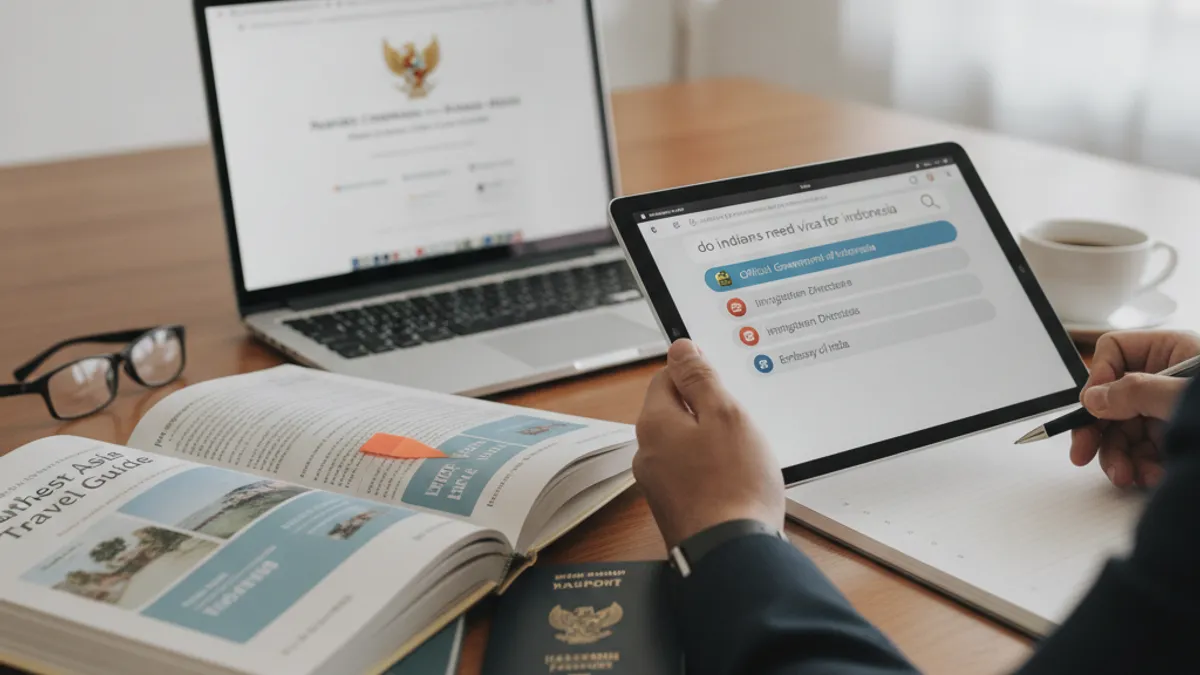
Relying on anecdotal advice or outdated travel blogs can be risky when it comes to visa regulations. Government policies change, and the most accurate, up-to-the-minute information will always come directly from official sources. Ensuring you have the latest details is a cornerstone of responsible travel planning and helps prevent costly misunderstandings.
Indonesian Immigration Authority and Embassies
The primary and most trustworthy source for all visa and entry requirements for Indonesia is the Indonesian Directorate General of Immigration. Their official website provides comprehensive details on visa types, application procedures, fees, and current regulations. You can usually find sections dedicated to specific nationalities, which is invaluable.
Additionally, you should consult the website of the Indonesian Embassy or Consulate located in your country of residence (in this case, India). These diplomatic missions are the official representatives of the Indonesian government and are tasked with processing visa applications and providing guidance to prospective travelers. They often have detailed FAQs and contact information for specific queries. Always cross-reference information between these official bodies to ensure you have the most current and accurate understanding of the rules.