

Planning a trip to Europe can be incredibly exciting, but figuring out the travel documents needed often feels like a hurdle. If you’re eyeing a vacation or a business trip that spans multiple European countries, you’ve probably heard about the Schengen visa. This single travel document can unlock access to a vast area, but understanding if you need one and how to get it is key to a smooth journey.
Thank you for reading this post, don't forget to subscribe!The Schengen visa acts as a unified permit, allowing holders to travel freely within the Schengen Area for short stays. This applies to a bloc of 27 European countries that have abolished internal border controls. As of 2026, these nations operate under a common visa policy, making inter-country travel seamless for eligible visitors, provided all application requirements are met.
What Exactly IS a Schengen Visa?

A Schengen visa is your official permission to enter and travel within the Schengen Area, a collection of 27 European countries that have agreed to abolish internal border controls. Think of it as a single visa that covers most of your travel needs if you plan to visit several of these countries on one trip. It’s designed to make cross-border travel within this zone as easy as passing from one state to another in the U.S.
Your Golden Ticket to Multiple European Countries
This visa is particularly useful for short stays, typically for tourism, visiting family or friends, or for business purposes. Instead of applying for individual visas for France, Germany, Italy, and Spain, for instance, you would apply for one Schengen visa. This visa, often called a “uniform visa” or Type C, allows you to stay for a maximum of 90 days within any 180-day period across the entire Schengen zone. This uniformity significantly simplifies travel planning for many international visitors.
Who Needs a Schengen Visa? It Depends on Your Passport!
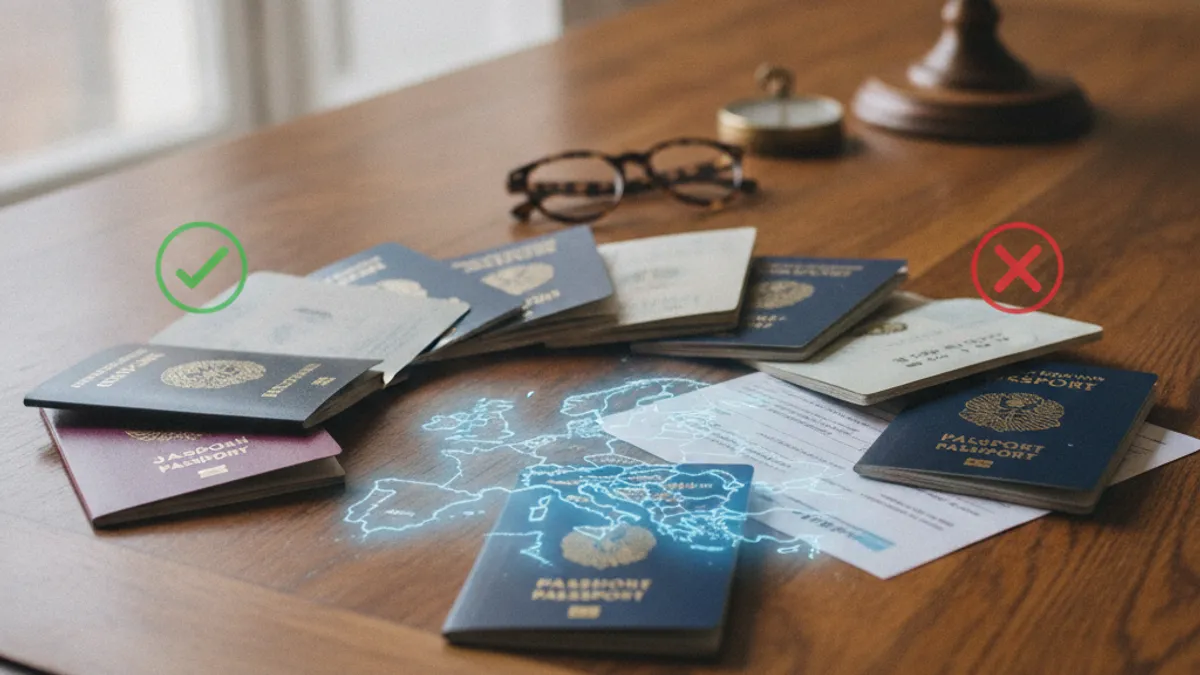
This is the most crucial question for anyone planning a European adventure. Whether you personally need a Schengen visa hinges almost entirely on your nationality. The Schengen countries have agreements that allow citizens of many nations to enter visa-free for short stays.
If you’re a citizen of a country like the United States, Canada, Australia, or Japan, you can typically travel to the Schengen Area for up to 90 days in any 180-day period for tourism or business without needing a visa. This means you can land in Paris, explore Rome, and then head to Berlin without a prior visa application. However, citizens from many other countries will require a Schengen visa issued in advance of their travel. It’s always best to consult the official embassy or consulate website of the country you intend to visit first to confirm the specific requirements based on your passport.
Are You Traveling Visa-Free?
To determine if you need a Schengen visa, you need to check the European visa policy for your country of citizenship. This is not about where you live, but strictly where you hold citizenship. The list of countries whose citizens are exempt from Schengen visa requirements for short stays is readily available on official government immigration websites. If your country is not on that list, expect to go through the application process.
Keep in mind that short stays refer to durations of 90 days or less within a 180-day timeframe.
The Schengen Area: Your Travel Playground Explained

The Schengen Area is a unique travel zone that was established by the Schengen Agreement, signed in 1985. It’s more than just a group of countries; it’s a commitment to borderless travel among its members. For travelers holding a valid Schengen visa, or those from visa-exempt countries, this means you can cross internal borders between member states without undergoing routine passport checks. This freedom of movement makes it incredibly convenient to create multi-city itineraries.
What Countries Are Included?
As of 2026, the Schengen Area comprises 27 European countries. This significant number includes many Western, Central, and Northern European nations. Some of the most popular destinations within the zone include:
- Western Europe: France, Germany, Spain, Italy, Belgium, Netherlands, Luxembourg, Austria, Switzerland.
- Northern Europe: Sweden, Norway, Finland, Denmark, Iceland.
- Central/Eastern Europe: Poland, Czech Republic, Hungary, Slovakia, Slovenia, Lithuania, Latvia, Estonia.
- Southern Europe: Portugal, Greece, Malta, Croatia.
It’s important to note that not all European Union (EU) member states are part of the Schengen Area, and conversely, some non-EU countries (like Norway, Iceland, Switzerland, and Liechtenstein) are included. Always verify the current list of member states before finalizing travel plans, as membership can evolve.
How Long Can You Stay? The 90/180 Day Rule Demystified

The core rule governing short-stay Schengen visas is the 90/180 day rule. This means that holders of a Schengen visa, or visa-exempt travelers, can stay in the Schengen Area for a maximum of 90 days within any 180-day period. This isn’t 90 consecutive days per country, but 90 days total across the entire Schengen zone. This rule is strictly enforced at borders, so it’s crucial to track your days carefully.
Many online calculators can help you ensure you’re compliant.
The calculation is a rolling one. You need to look back over the previous 180 days to see how many days you’ve spent within the Schengen zone. If that total is 90 days or more, you cannot enter or remain in the Schengen Area. This rule is strictly enforced at borders, so it’s crucial to track your days carefully.
Many online calculators can help you ensure you’re compliant.
Different Visas for Different Needs: Short vs. Long Stays

When people talk about a “Schengen visa,” they most commonly refer to the Type C uniform visa, which is for short stays. This is the visa you’d need if your trip is for tourism, business, visiting family, or other short-term purposes, and your nationality requires you to have one. The maximum duration for this visa is 90 days within a 180-day period.
However, if your intention is to stay longer than 90 days in one specific Schengen country, for example, to study, work, or reside there, you will need a national visa, often referred to as a Type D visa. This type of visa is issued by the individual country where you intend to live and is governed by that country’s specific laws. While a Type D visa holder might be allowed to travel within the Schengen Area for short periods, its primary purpose is long-term residency in a single member state. The application process, requirements, and validity periods for Type D visas differ significantly from Schengen visas.
Navigating Type C vs. Type D
Understanding the distinction between Type C and Type D visas is vital for accurate planning:
Type C (Schengen Visa):
- Purpose: Tourism, short business trips, visiting family/friends, transit.
- Duration: Maximum 90 days within any 180-day period.
- Issuance: Grants access to all Schengen Area countries.
- Application: Submitted to the consulate/embassy of the main destination country or country of first entry if no main destination exists.
Type D (National Visa):
- Purpose: Long-term stay, study, work, family reunification, residence in a single Schengen country.
- Duration: Typically longer than 90 days.
- Issuance: Issued by a specific Schengen country for a long-term stay in that nation.
- Travel Within Schengen: May permit limited travel to other Schengen countries, but primarily for residing in the issuing country.
- Application: Submitted directly to the consulate/embassy of the country where you intend to reside long-term.
Key Steps to Getting Your Schengen Visa

Applying for a Schengen visa involves a structured process, and preparation is key to a successful outcome. While specific requirements can vary slightly between consulates, the general steps remain consistent. Typically, you’ll need to gather a set of documents and attend an in-person appointment.
What to Expect in the Application Process
The first step is usually to determine which Schengen country’s consulate or embassy you should apply through. This is generally the country where you will spend the most time during your trip (your main destination). If you’re visiting multiple countries and none stands out as the main destination, you apply at the consulate of the country you will enter first. Once you’ve identified the correct authority, you’ll need to check their specific list of required documents, which often includes proof of accommodation, flight reservations, travel medical insurance covering at least €30,000, and evidence of sufficient financial means.
The application itself usually involves filling out a form, which can often be done online before printing. You’ll then schedule an appointment at the respective consulate or visa application center. During this appointment, you’ll submit your application form, supporting documents, have your photograph taken, and provide biometric data (fingerprints). The visa fee is also payable at this stage.
Processing times can vary, but it’s generally recommended to apply at least a month to six weeks before your planned travel date, especially during peak seasons.
Common Pitfalls: Mistakes That Can Derail Your Application

Even with thorough preparation, applicants can sometimes make mistakes that lead to a Schengen visa refusal. One of the most frequent issues is incomplete documentation. Missing an essential document, like proof of sufficient funds or a detailed itinerary, can immediately flag your application as problematic. It’s not just about having the document; it’s about providing sufficient evidence that meets the specified criteria.
Another common pitfall relates to the stated purpose of travel. If your application suggests a holiday but your travel history or financial situation points towards an intention to work illegally, your visa will likely be denied. Similarly, providing falsified information or documents is a guaranteed way to get refused and can lead to future bars from entering the Schengen Area. Always be honest and accurate in your application.
What If My Documentation Isn’t Perfect?
For instance, if you’re traveling on a tight budget, simply showing a large bank balance might not be enough. You might also need to provide a letter explaining your financial situation or show that your accommodation and flights are already paid for, which reduces the immediate financial burden. If your purpose is tourism, ensure your itinerary is realistic and covers the 90-day period appropriately, without leaving gaps that suggest an intent to overstay. Each consulate has specific expectations, so reviewing their website is critical.
When Schengen Isn’t the Answer: Alternatives to Consider

While the Schengen visa is a fantastic solution for short-term European travel, it’s not the only option, and sometimes it’s not the correct one. For instance, as discussed earlier, if your intention is to live, study, or work long-term in a specific European country, you’ll need to look at national visas (Type D). These are issued by individual countries for long-term purposes like studying, working, or rejoining family.
Sometimes, travel to Europe might involve countries not part of the Schengen Area. The United Kingdom, for example, has its own visa policy. Ireland, while an EU member, also has an independent visa system. Travelers planning to visit both Schengen countries and non-Schengen European nations like the UK or Ireland will need to secure separate visas for each distinct zone if their nationality requires it.
Planning your entire itinerary and understanding which countries fall into which jurisdiction is key to avoiding last-minute visa scrambles.
Can I Visit Multiple Non-Schengen Countries with One Visa?
No, a Schengen visa does not cover travel to non-Schengen European countries. Each country outside the Schengen zone that requires a visa for your nationality will have its own separate application process and visa type. This includes countries like the United Kingdom, Ireland, Cyprus, Bulgaria, Romania, and many countries in the Balkans. Planning your trip to include these destinations means investigating their specific entry requirements independently of your Schengen visa application.
Who Benefits Most from a Schengen Visa? Targeted Traveler Profiles

The Schengen visa system offers significant advantages to travelers from countries that require a visa for entry into the Schengen zone. It streamlines the process of visiting multiple European countries for short durations, making it far more accessible and manageable than applying for individual visas for each nation. This is especially true for those who plan multiple short trips throughout the year.
Ideal Travelers and Situations for a Schengen Visa
- Tourists: Individuals or families planning a holiday to explore several European cities or countries, such as a tour of Italy, France, and Switzerland.
- Business Professionals: Those attending conferences, meetings, or trade shows across different Schengen member states.
- Family Visitors: People visiting relatives or friends living in various Schengen countries.
- Short-Term Students: Students undertaking short study programs or academic exchanges within the Schengen Area.
- Frequent Short-Term Travelers: Individuals who make multiple short trips to the Schengen zone annually for various reasons.
The key element for these travelers is that their trip is relatively short, typically under 90 days, and involves movement between multiple Schengen member states. The visa simplifies their ability to experience diverse European cultures and economies without the complex hurdle of multiple applications.
Essential Checks: Legalities and Compliance for Your Trip

Compliance with Schengen visa regulations is paramount for a trouble-free journey. Beyond obtaining the visa itself, travelers must adhere to the terms and conditions it outlines. This includes respecting the 90/180 day rule discussed earlier. Exceeding your permitted stay, even by a day, can lead to fines, deportation, and future bans from entering the Schengen Area, a severe consequence for future travel plans.
Furthermore, ensure your passport is valid for at least three months beyond your intended departure from the Schengen Area and has at least two blank pages. This is a standard requirement across most international travel. Always carry a copy of your visa and relevant supporting documents, such as your accommodation bookings and travel insurance details, when traveling within the Schengen zone, as border officials may request them at any time. Adhering to these legalities ensures you can enjoy your European adventure without unwelcome complications.
What Are the Most Common Legal Mistakes?
The most frequent legal misstep is overstaying the 90-day limit within the 180-day period. Many travelers miscalculate this, assuming it’s 90 days per country or a simple 90-day total without the rolling 180-day lookback. Another common issue is not having proof of sufficient funds throughout the entire planned stay. Consular officers expect to see evidence that you can support yourself financially without resorting to employment in the Schengen zone.
Finally, failing to have a valid travel medical insurance policy that meets the minimum coverage requirements can also cause legal issues. This insurance must cover emergency medical expenses and repatriation with a minimum coverage of €30,000. Without this, you could face significant personal costs if an illness or accident occurs during your trip.
Planning to Work in the Schengen Area? Choose the Right Country First
Knowing the visa type alone isn’t enough if your goal is employment — some Schengen countries process work-related visas faster and with fewer requirements than others. Before applying, check out which European country is easiest to get a work visa for, so you can target the right country from the start instead of facing delays or rejection later.
Comments are closed.